Heritage Guide
Chidaoba: the Georgian Wrestling Tradition Behind the Training in Tbilisi
Editorial owner: Gymnasia Sports. Sources are listed below; no named independent expert review is claimed.
Evidence scope: confirm current dates, coaches, prices, availability, accommodation and inclusions in writing with the selected camp before paying or booking travel.
What UNESCO records about chidaoba, the documented link to Georgian judo, and what that heritage can—and cannot—tell a visiting grappler.
Quick answer
Chidaoba is a Georgian wrestling tradition that UNESCO inscribed on the Representative List of the Intangible Cultural Heritage of Humanity in 2018.
UNESCO describes wrestling joined with music, dance and traditional dress, practised across Georgia and transmitted through communities and sports organisations.
That record establishes a living tradition. It does not certify a camp, coach, timetable or outcome, so verify any modern training offer with its operator before booking.
UNESCO inscription
Representative List, 2018
Practice
Wrestling, music and dance
Technical record
About 200 holds and counter-holds
Camp implication
Context, not a quality guarantee
What UNESCO actually records
UNESCO’s official entry calls the element “Chidaoba, wrestling in Georgia” and records its inscription in 2018. It describes an ancient martial practice used across Georgia rather than a modern camp product.
The entry says a chidaoba tournament combines wrestling, music, dance and traditional dress. It also describes open-air competition accompanied by zurna wind instruments and Georgian drums, and estimates that the practice contains about 200 wrestling holds and counter-holds.
Those details matter because intangible heritage is a practice carried by people. The listing is evidence that chidaoba is recognised and transmitted; it is not a ranking of present-day gyms.
How the tradition is transmitted
UNESCO identifies young people, city residents, sports clubs, educational institutions and amateur organisations among the tradition’s bearers. It also records youth sections operating in villages and cities.
This is stronger evidence than a generic claim that “everyone wrestles”. It identifies specific transmission settings without pretending that participation is universal.
The record is cultural and national in scope. It does not tell you whether a particular adult camp includes chidaoba, whether a named coach teaches it, or whether a session will be available during your dates.
A documented bridge from chidaoba to judo
The International Judo Federation documents one direct technical bridge through Georgian Olympic champion Shota Khabareli. In an IJF interview, Khabareli says he trained chidaoba and used that background to develop the technique for which he became known in judo.
That testimony is valuable because it comes from the athlete and the sport’s international federation. It supports a specific connection between one chidaoba-trained judoka and his competitive technique.
It does not prove that every Georgian judoka follows the same path, that chidaoba caused Georgia’s broader results, or that a short visitor programme reproduces Khabareli’s development.
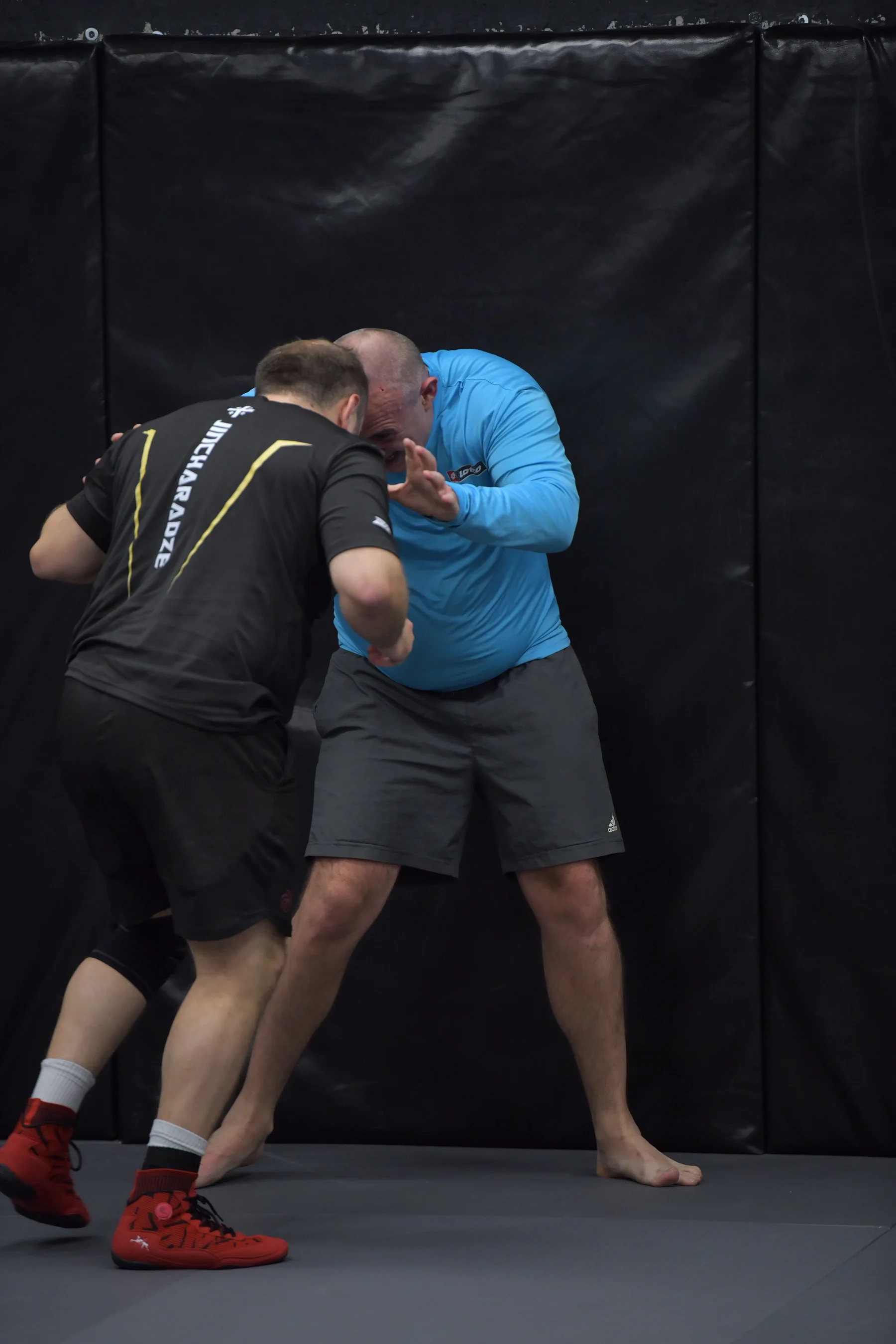
What a visiting grappler can reasonably infer
The careful inference is that Georgia has a documented indigenous wrestling practice and documented athletes who carried elements of it into international grappling. That makes the destination historically relevant to wrestlers and judoka.
The evidence does not establish coaching quality, partner depth, session volume or improvement for a visitor. Those are current operational claims and must be checked against the exact programme, dates and coach you are considering.
Treat heritage as a reason to investigate, not as a substitute for due diligence. Ask for the current syllabus, coach names, eligibility rules and whether chidaoba appears in any session you can actually attend.
How to verify a chidaoba-related training claim
Start with the official UNESCO description so you know what the named tradition includes. Then compare that record with the operator’s current written syllabus.
Ask whether the session teaches chidaoba itself, borrows selected techniques, or simply uses the heritage as destination context. Those are three different offers.
Before paying, request current dates, instructor identity, participant requirements, training load, inclusions and cancellation terms in writing. A cultural source cannot verify any of those commercial details.
Compare the current grappling options
Use the portfolio overview to find the relevant sport, then confirm the live programme directly with its operator.
Explore the camp overviewWhat to take away
- UNESCO inscribed chidaoba on its Representative List in 2018.
- The official record describes wrestling combined with music, dance and traditional dress, with transmission through communities and sports organisations.
- The IJF records Shota Khabareli’s own account of carrying a chidaoba background into judo.
- Neither source verifies the current curriculum, coach, schedule or quality of any camp.
- Ask an operator to distinguish a genuine chidaoba session from heritage-inspired marketing before booking.
Questions people ask
What is chidaoba?
It is a Georgian wrestling tradition recognised by UNESCO as intangible cultural heritage. UNESCO describes wrestling combined with music, dance and traditional dress.
When did UNESCO recognise chidaoba?
UNESCO inscribed “Chidaoba, wrestling in Georgia” on the Representative List of the Intangible Cultural Heritage of Humanity in 2018.
Did chidaoba influence modern judo?
There is a documented individual link: Olympic champion Shota Khabareli told the IJF that his chidaoba background informed his judo technique. That does not establish a universal pathway for Georgian judoka.
Can I book a chidaoba class in Tbilisi?
This heritage guide does not verify a current class. Ask the specific operator for its live syllabus, dates, instructor and eligibility requirements before booking.
Does the UNESCO listing guarantee a good camp?
No. The listing recognises a cultural practice. It is not an accreditation, review or quality rating for any commercial training programme.
Keep reading
Combat Sports Training Camps in Georgia
7 adult camp sites: MMA, Wrestling, Boxing, Kickboxing, BJJ, Karate, Judo. How to compare their published offers and what to confirm before paying or booking travel.
Read guide
Why Georgia Is Called a Grappling Superpower: Wrestling, Judo and Olympic History
What official IJF, UWW and UNESCO records establish about Georgia’s wrestling and judo history—and what they do not prove about a camp.
Read guide
What a Training Camp Is Like: A Week at a Georgian Combat Camp
A practical planning template for a Georgian combat-camp week, including the timetable, coaching, accommodation and recovery details to verify.
Read guide
Train it in Tbilisi
Each camp handles its own enquiries. Start with the overview here, then contact the camp site for current terms.