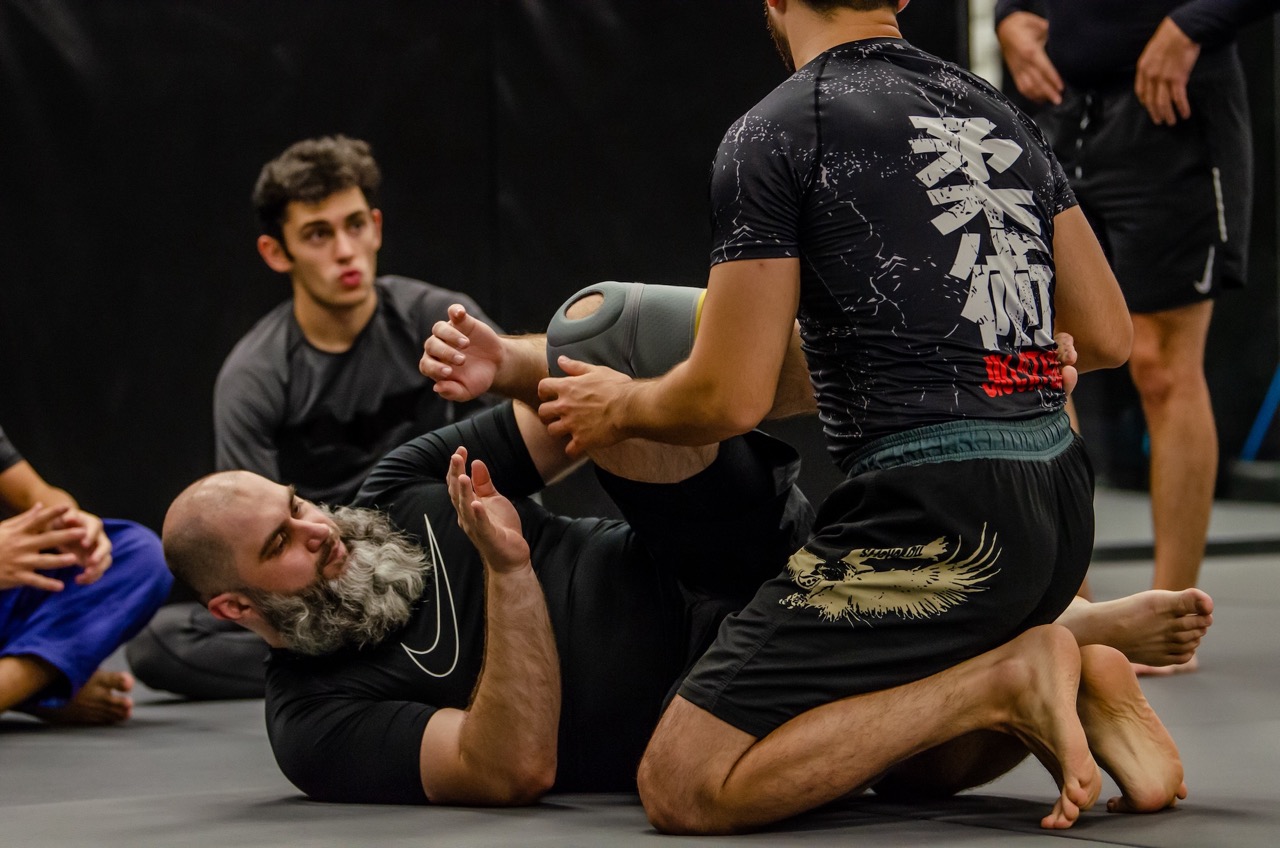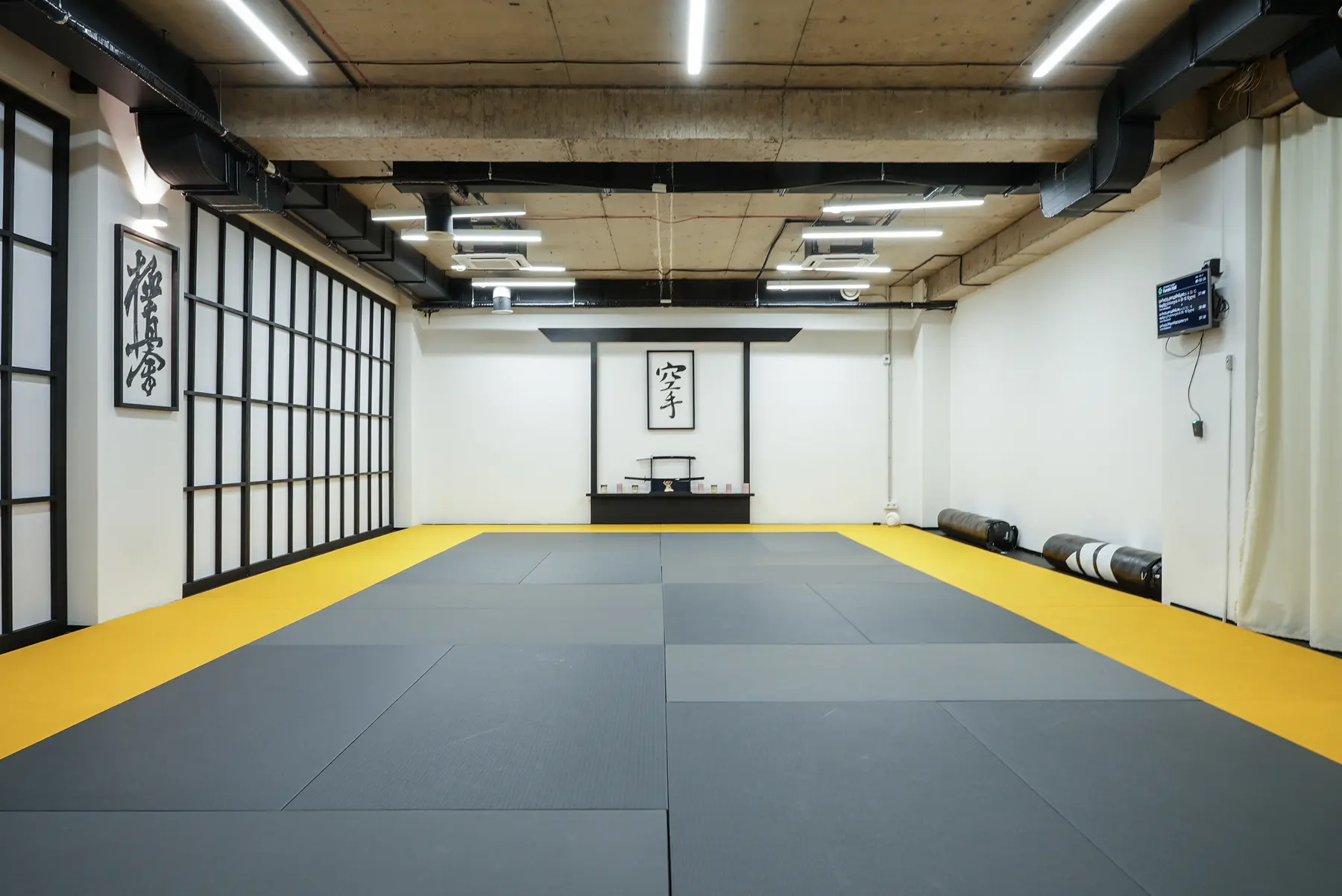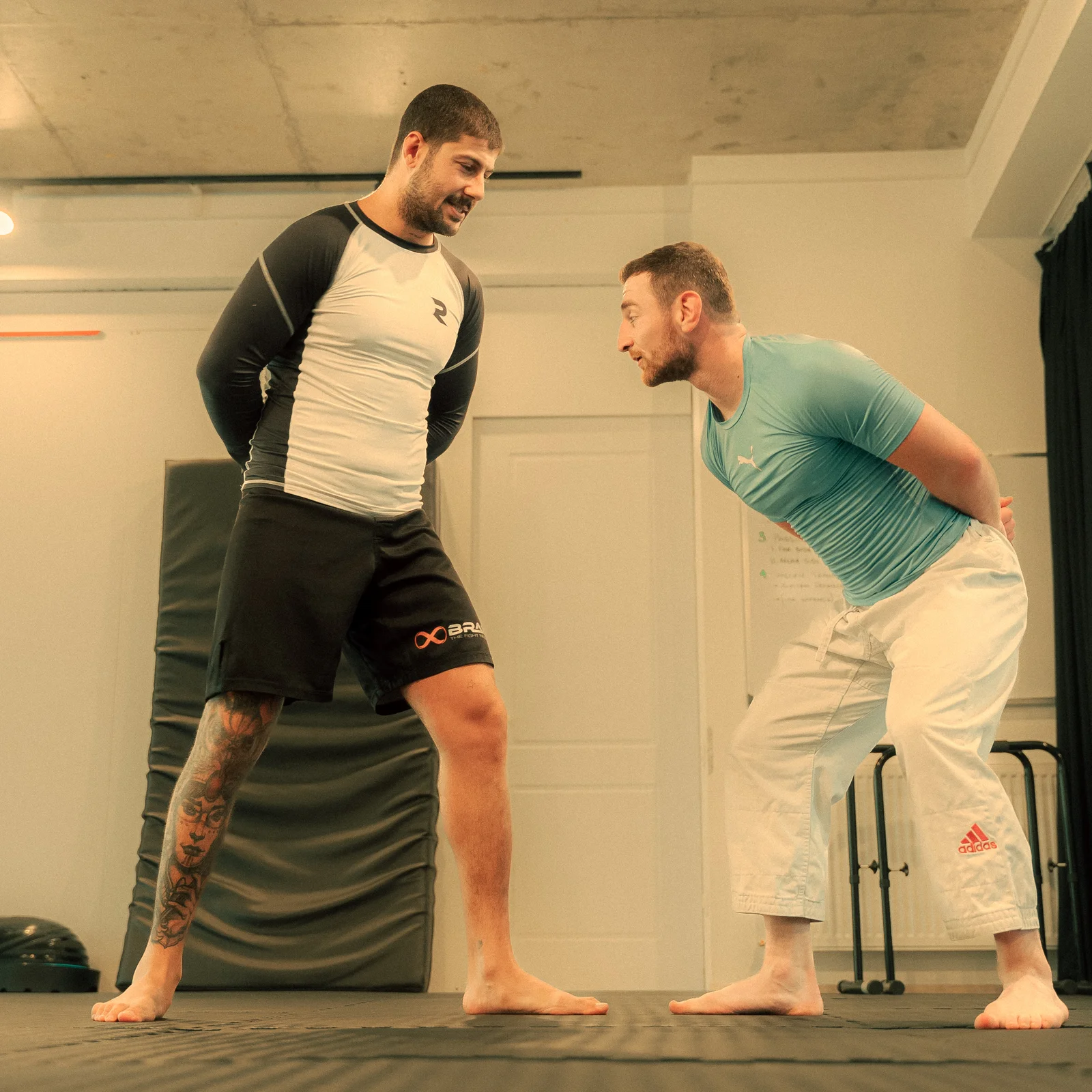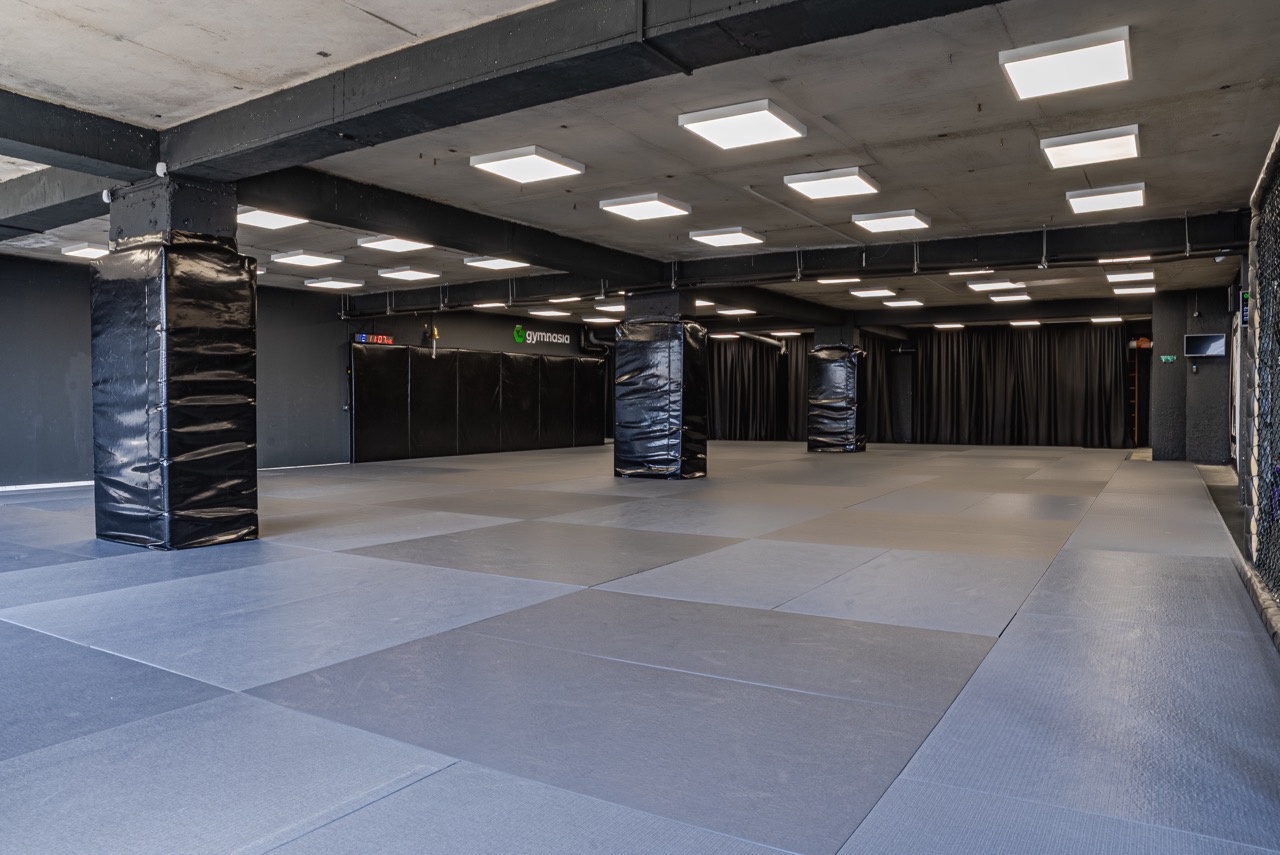
Inside the week
What a Training Camp Is Like: A Week at a Georgian Combat Camp
Editorial owner: Gymnasia Sports. Sources are listed below; no named independent expert review is claimed.
Evidence scope: confirm current dates, coaches, prices, availability, accommodation and inclusions in writing with the selected camp before paying or booking travel.
A practical planning template for a Georgian combat-camp week, including the timetable, coaching, accommodation and recovery details to verify.
Quick answer
There is no single verified timetable shared by every Georgian combat camp. Session count, start day, coaching, group structure and rest periods must be confirmed for the exact programme and dates.
Use this guide as a planning template, not as a promise of what will happen on each day.
Before paying, obtain the current itinerary, coach details, eligibility rules, accommodation, breakfast service, total price, cancellation terms and emergency process in writing. Lunch and dinner are excluded.
Timetable
Confirm for your dates
Coaching
Request named instructors
Inclusions
Require a written list
Outcome
Never guaranteed
A week template, not a universal schedule
A guide cannot truthfully describe one day-by-day experience for several sports and changing camp dates. Different operators may use different session loads, arrival rules, group levels and rest periods.
The sequence below is a due-diligence template. It identifies what to confirm before and during a training block without claiming that a particular camp follows the sequence.
Use the chosen sport site and a dated written response for exact clock times. Reconfirm close to travel because coaches, groups and facility access can change.
Before booking
Obtain the live programme
Save the dates, sessions, instructors, eligibility and cancellation terms in writing.
Before travel
Confirm entry and insurance
Check government entry rules and whether your policy covers the planned contact sport.
Arrival
Verify logistics
Confirm the venue, first meeting point, accommodation and emergency contact.
First session
State your real level
Tell the coach about experience, competition rules and relevant limitations.
During the block
Compare delivery with the plan
Raise schedule, grouping or safety discrepancies while they can still be addressed.
Final session
Record useful feedback
Write down the coach’s specific corrections without assuming a guaranteed transformation.
After departure
Keep the evidence
Retain receipts, programme changes and any agreed follow-up.
Confirm the training before you plan around it
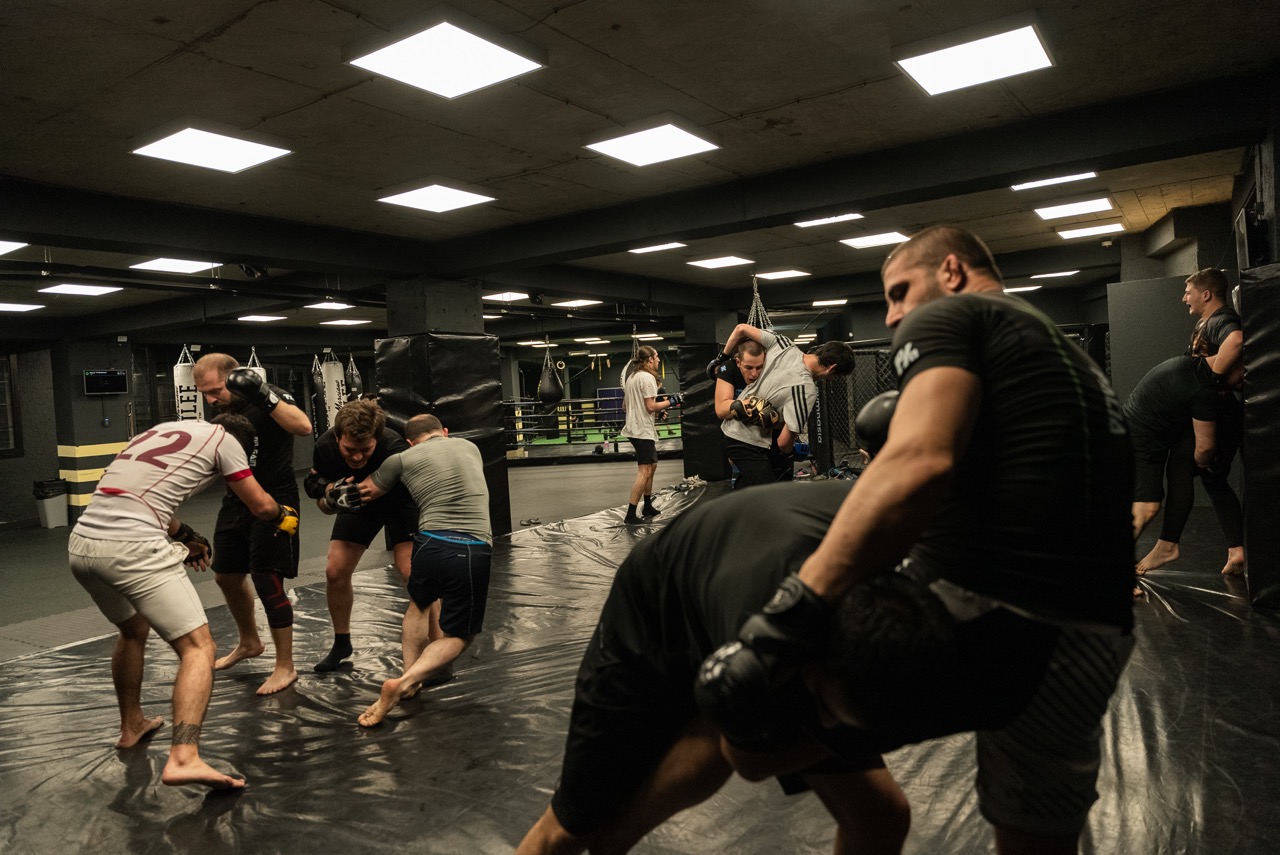
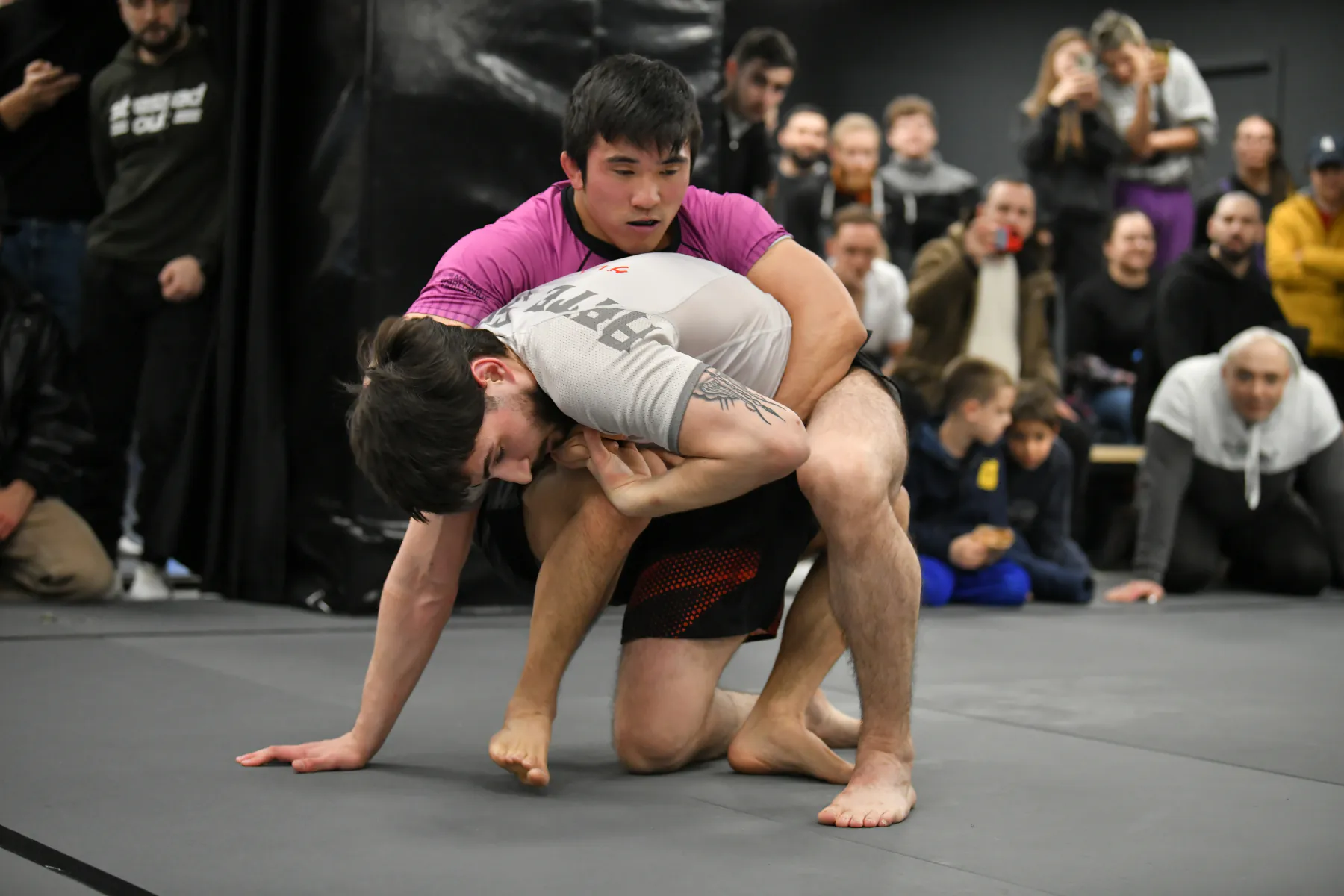
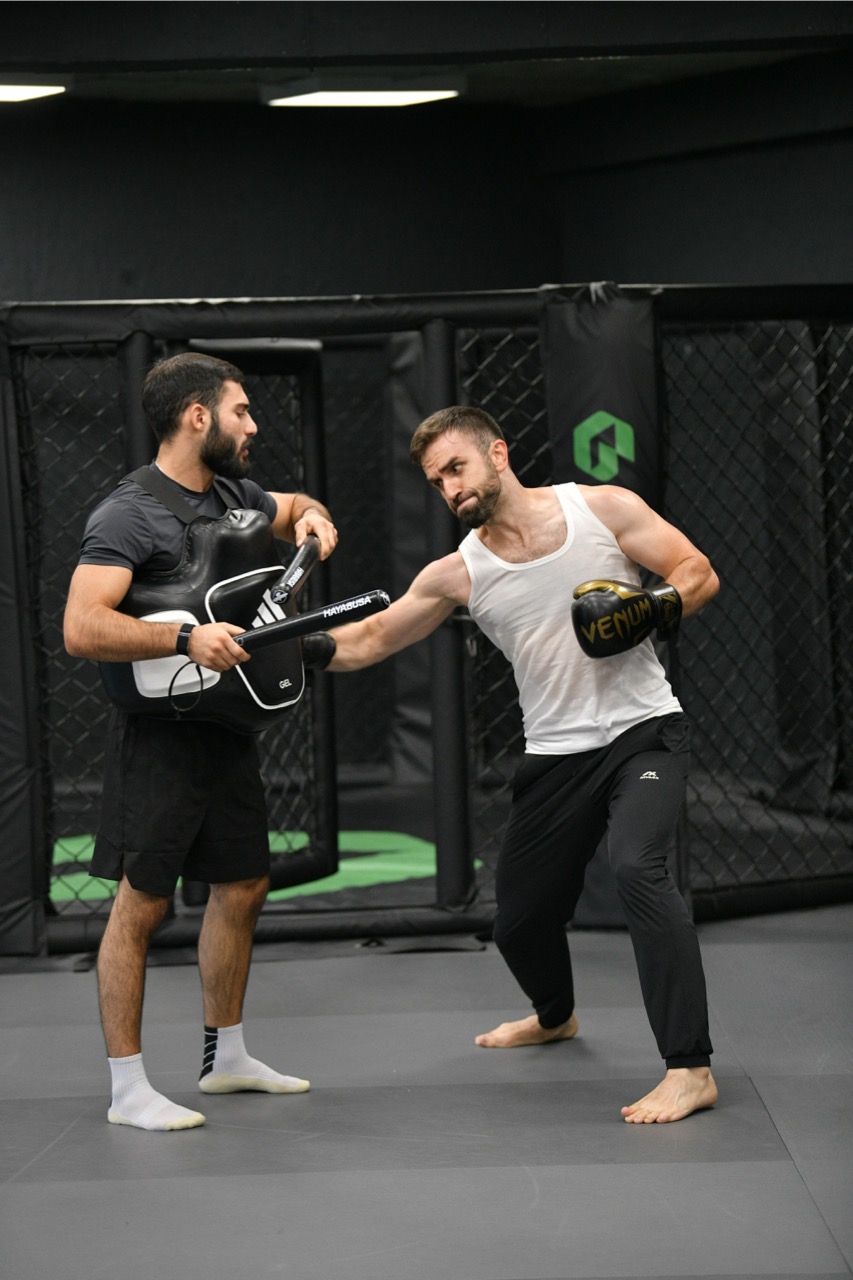
Ask for the current timetable for your exact dates, not a sample week. Confirm the number and type of sessions, expected intensity, sparring policy, equipment, language and whether facility access outside coached sessions is included.
Request the names and roles of the instructors expected to deliver the programme. If a particular coach is decisive, ask what happens if that person becomes unavailable.
State your age, experience and competition background, then obtain confirmation that you are eligible. Do not infer one sport’s entry policy from another camp in the same portfolio.
Treat the first session as information
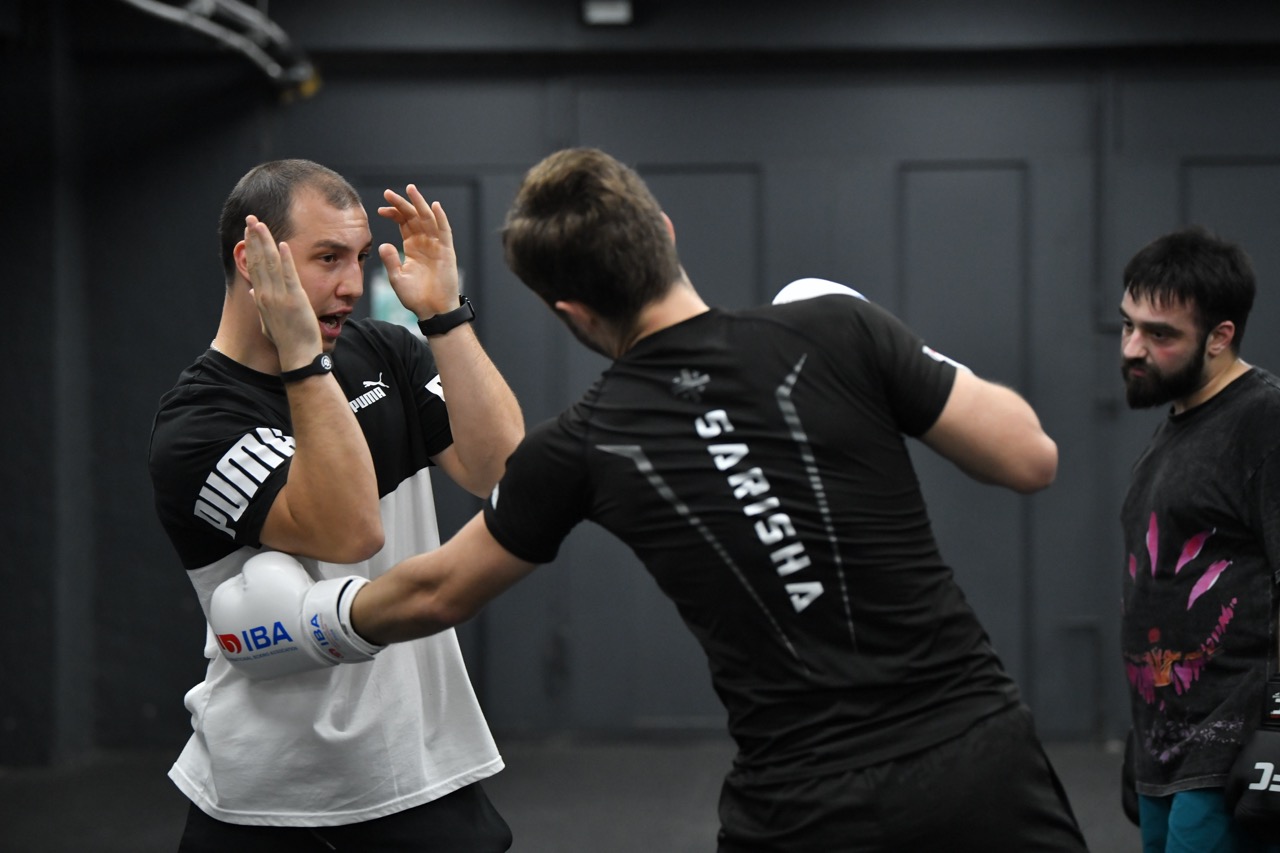
Arrive with an accurate description of your recent training and relevant physical limitations. The coach can only group or adapt responsibly from the information available.
A coach may assess participants informally or may begin with the published class plan. This guide does not promise an assessment, individual programming or a particular group assignment.
If the live session differs materially from the written offer, ask about it immediately. Clarifying early is more useful than building the rest of the week around an assumption.
Manage training load with the responsible coach
Do not assume that every day contains two sessions, that every session includes sparring, or that a named rest day is universal. Follow the confirmed programme and discuss changes with the coach.
Pain, fatigue and recovery are individual. This article cannot determine whether you should continue, reduce load or stop; use qualified medical advice when needed and tell the responsible staff about a safety concern.
Extra facility access, open-mat time, strength work or sauna use should be treated as unconfirmed unless the operator lists it for your booking.
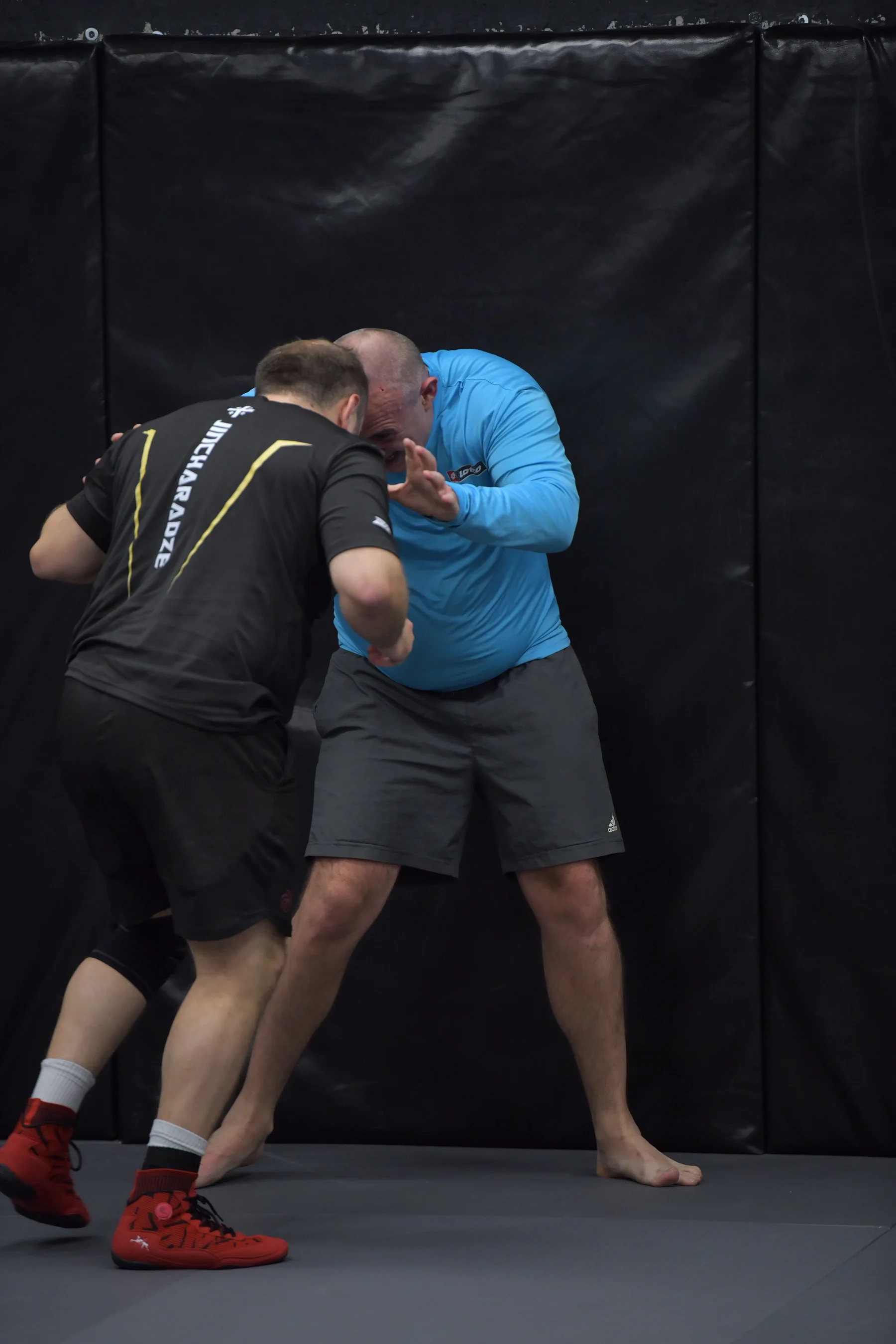
Verify accommodation, meals and transport separately
Gymnasia Bed & Breakfast includes breakfast as the only meal; lunch and dinner are excluded. Ask for the accommodation name and address, room occupancy, breakfast service, check-in times, transfer scope and every other exclusion.
If sleep, diet or accessibility requirements affect the trip, obtain written confirmation that the booked arrangement meets them. A photograph or general portfolio description is not enough.
For independent accommodation, calculate travel time to the actual venue using your session times. Do not assume every programme uses the same building.
Use official travel sources
Entry rules depend on passport and travel date. Check Georgia’s Ministry of Foreign Affairs consular portal before buying non-refundable travel.
Flight routes and airport services are also time-sensitive. Confirm them with the airport and airline for the specific itinerary.
Travel insurance often turns on policy wording. Ask the insurer in writing whether the planned martial art, coached sessions and sparring are covered.
What a camp can and cannot promise
A camp can promise the services written into its contract, subject to those terms. It cannot responsibly guarantee technical improvement, fitness change, injury-free participation, a particular partner match or a competition result.
At the end of the block, ask for specific observations and drills you can continue at home. Treat them as coaching feedback, not a guaranteed outcome.
Keep the programme, payment record and any written changes. Those documents are the reliable account of the week you bought.
Start with the current programme
Choose the relevant sport, then ask its operator to confirm dates, delivery, inclusions and terms in writing.
Compare the camp portfolioWhat to take away
- This page is a planning template, not a shared camp timetable or first-person review.
- Confirm the live schedule, instructors, eligibility and training rules for your exact dates.
- Treat facilities, accommodation, breakfast service and transfers as separate inclusions that require written proof; lunch and dinner are excluded.
- Use government, airport and insurer sources for travel requirements.
- No responsible camp can guarantee a training, health or competition outcome.
Questions people ask
How many sessions are in a camp week?
This guide does not assert a portfolio-wide number. Ask the selected operator for the current timetable covering your exact dates.
Will the coach assess me on the first day?
Possibly, but it is not a universal promise. Ask how participants are grouped and whether any assessment or individual feedback is included.
Are meals and accommodation included?
Bed & Breakfast adds accommodation and breakfast. Breakfast is the only included meal; lunch and dinner are excluded. Confirm the property, room type, breakfast service, dates and every other exclusion before paying.
Is there a guaranteed rest day?
Do not assume one. Obtain the full timetable and discuss load or recovery needs with the responsible coach.
What result should I expect after one week?
No specific improvement can be guaranteed. Ask for programme objectives and coach feedback, then judge the offer by the services delivered rather than a promised transformation.
Keep reading
Planning a Training Trip to Georgia: The Complete Guide
How to plan a training trip to Georgia: booking order, entry rules, flights into Tbilisi, which month to pick, what to pack for 7 sports, and what it costs.
Read guide
Cost of a Training Camp in Georgia: A Line-by-Line Breakdown
How to build a date-specific training-camp budget for Georgia from a written quote, flights, insurance, ground costs and a contingency.
Read guide
Combat Sports Training Camps in Georgia
7 adult camp sites: MMA, Wrestling, Boxing, Kickboxing, BJJ, Karate, Judo. How to compare their published offers and what to confirm before paying or booking travel.
Read guide
Train it in Tbilisi
Each camp handles its own enquiries. Start with the overview here, then contact the camp site for current terms.