Trip planning
Planning a Training Trip to Georgia: The Complete Guide
Editorial owner: Gymnasia Sports. Sources are listed below; no named independent expert review is claimed.
Evidence scope: confirm current dates, coaches, prices, availability, accommodation and inclusions in writing with the selected camp before paying or booking travel.
How to plan a training trip to Georgia: booking order, entry rules, flights into Tbilisi, which month to pick, what to pack for 7 sports, and what it costs.
Quick answer
Plan it in this order: choose one of the 7 sport sites, request date-specific availability and terms, verify entry requirements for your passport, then buy travel.
Georgia’s official consular nationality checker is the source for entry rules. Tbilisi Airport publishes a current route map, but the operating airline remains the source for a specific flight.
Build the budget from the selected camp’s written quote plus current flights, insurance, ground transport, food and a contingency. Do not infer inclusions from another camp or an editorial price table.
First step
Confirm the selected camp
Entry
Check the official passport rule
Travel
Buy only after confirmation
Budget
Use a written current quote
Book the camp week before you book the flight
7 adult sport sites — MMA, Wrestling, Boxing, Kickboxing, BJJ, Kyokushin Karate and Judo — are indexed by the hub. Their published calendars are shortlisting tools, not proof that a module is running or has space.
Choose the sport and month, send that camp an enquiry, then wait for availability and its exact schedule before buying a non-refundable ticket. Response time is not a portfolio-wide promise.
Ask for the first session, final session, accommodation nights, rest days and transfer plan in writing. Those details determine annual leave and flights; a weekday shown on a calendar does not.
Entry rules, and the one thing you have to check yourself
Entry depends on citizenship, travel document, trip length and circumstances. This guide does not translate that into a portfolio-wide visa-free promise.
Check the current rule for the passport you will use against Georgia’s official consular nationality checker and your own government travel advice before paying for a camp or flight.
Select your nationality in the official checker and follow the route it provides for your circumstances rather than assuming another traveller’s rule applies.
If you travel with prescription medication, carry it in its original packaging with the prescription. That advice is boring and universal, but a training camp is exactly the wrong week to be separated from something you rely on.
Flights into Tbilisi, and when to land
Tbilisi Airport publishes its current direct-route map. Check that source, then verify dates and times with the operating airline because routes and schedules change.
Read the arrival time and connection details before choosing a flight. Build in enough recovery time for your travel distance and the camp’s confirmed first session.
Ask the selected camp when you must arrive, where to report and whether early accommodation is available. Do not derive an arrival day from a portfolio calendar.
Treat airport transfer as excluded unless the written offer states pickup and drop-off, covered airports, eligible times, contact details and what happens after a delay.
Which month to come
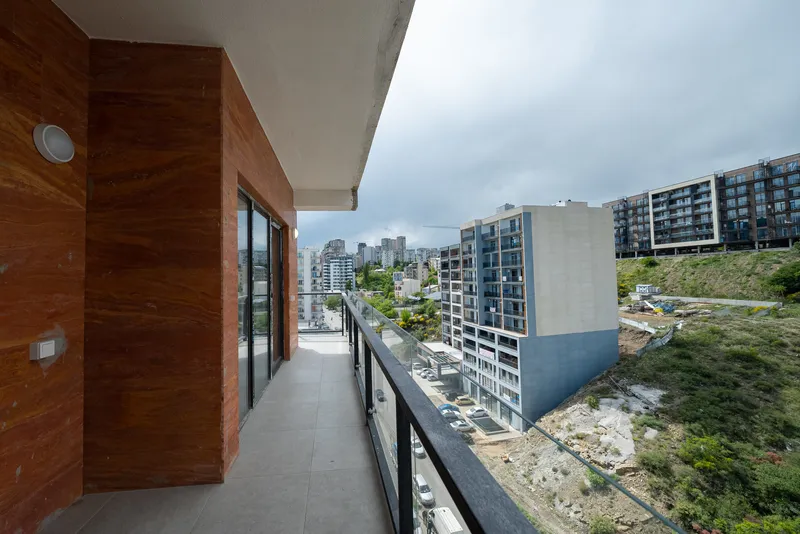
There is no single season every camp promises to operate. Availability belongs to the selected camp, so confirm the dates, venue and session plan before buying travel.
Check official climate information for your dates, then ask whether the confirmed venue and accommodation are climate controlled. Do not infer youth-programme dates from the adult calendar.
Use current forecasts and official destination information to compare seasons. Weather preference, heat tolerance and any rest-day travel are individual planning decisions.
If a competition is the reason for the trip, ask your own coach and medical team where the confirmed camp load fits. This guide does not prescribe a training block or taper window.
Seven days or fourteen
Compare only the durations the selected camp confirms for your dates. Do not assume linear pricing, a universal session count or the same accommodation terms across sports.
A shorter first exposure can reduce fatigue and scheduling risk. Ask for the exact session count, contact level and rest days before deciding what your normal training volume can support.
A longer block gives more calendar time, not a guaranteed outcome. Confirm whether coaches, group composition, venue and room remain the same throughout.
Calculate value from the written quote and confirmed schedule. The flight may be paid once, but that alone does not make a longer camp useful or cheaper per session.
Training-only or Bed & Breakfast
Ask whether training-only, accommodation-inclusive or another package exists for your sport and dates. Package names are not evidence of what is included.
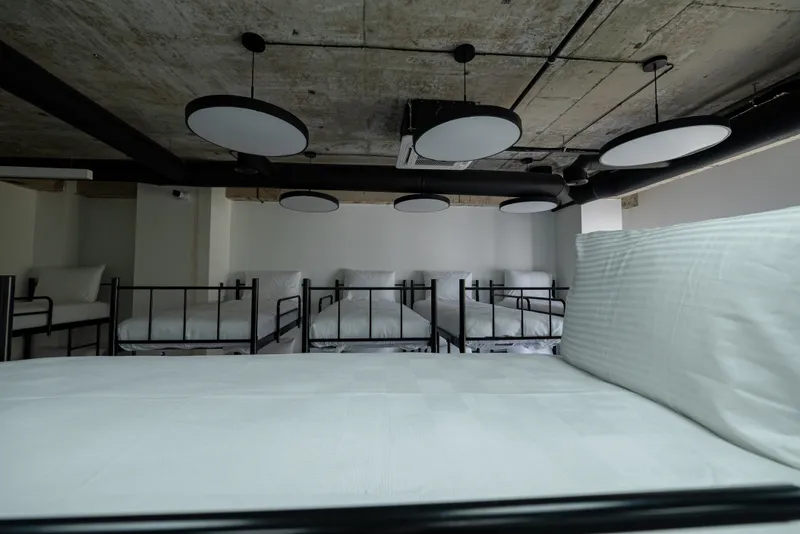
Gymnasia Bed & Breakfast includes accommodation and breakfast. Breakfast is the only included meal; lunch and dinner are excluded.
Request an itemised quote covering sessions, facility access, property and nights, room occupancy, breakfast service, transfers, equipment, taxes and cancellation terms. The camps do not offer excursions or mountain trips.
If arranging your own stay, confirm the venue and timetable before paying for accommodation, then price the real commute and cancellation risk.
Not sure which package fits?
Send one enquiry with your sport, level and preferred dates. The form is not a booking or a promise of availability; request current terms in the reply.
Send one enquiryPacking for 7 different camps
Start with two of everything you sweat in. Add changing-room footwear, a mouthguard, tape, a water bottle and clean indoor shoes. Use the selected camp’s packing guidance as the final checklist.
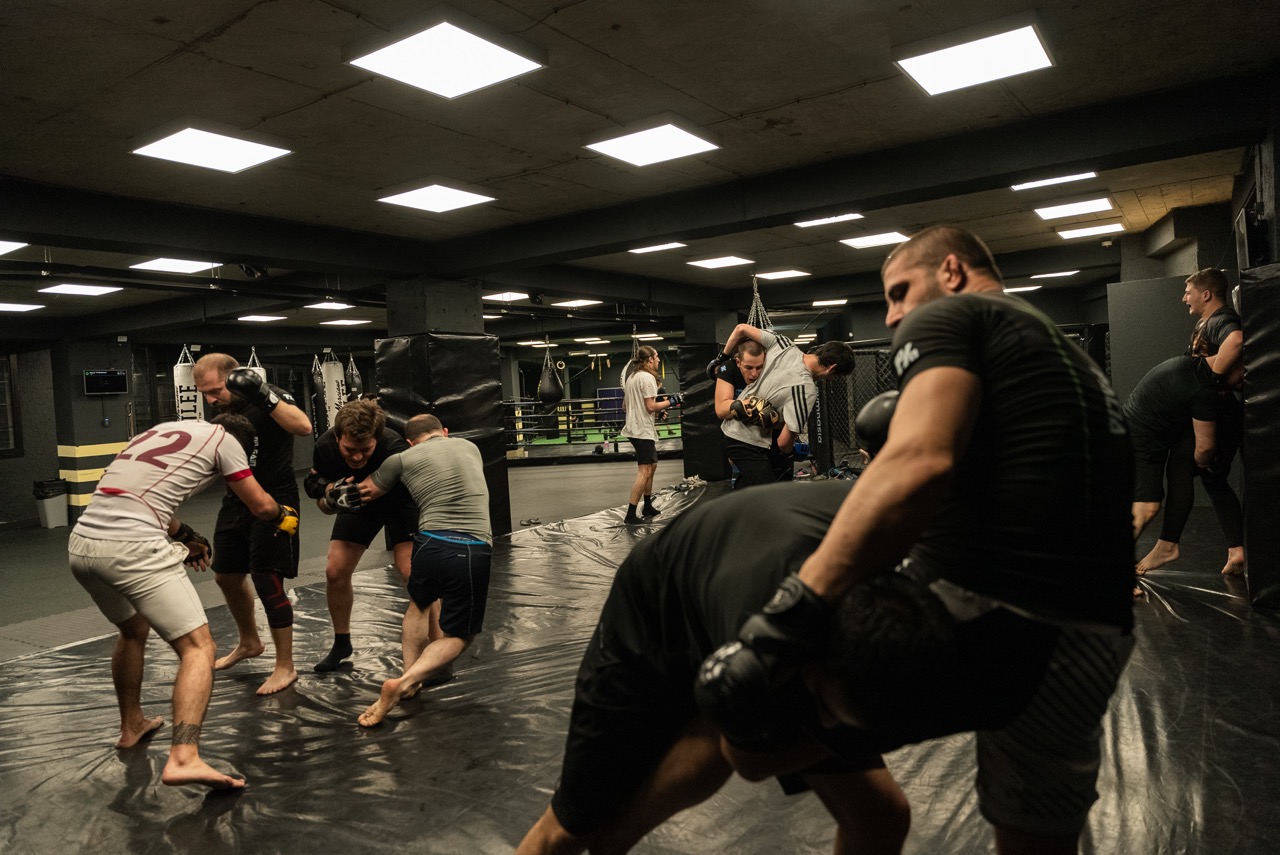
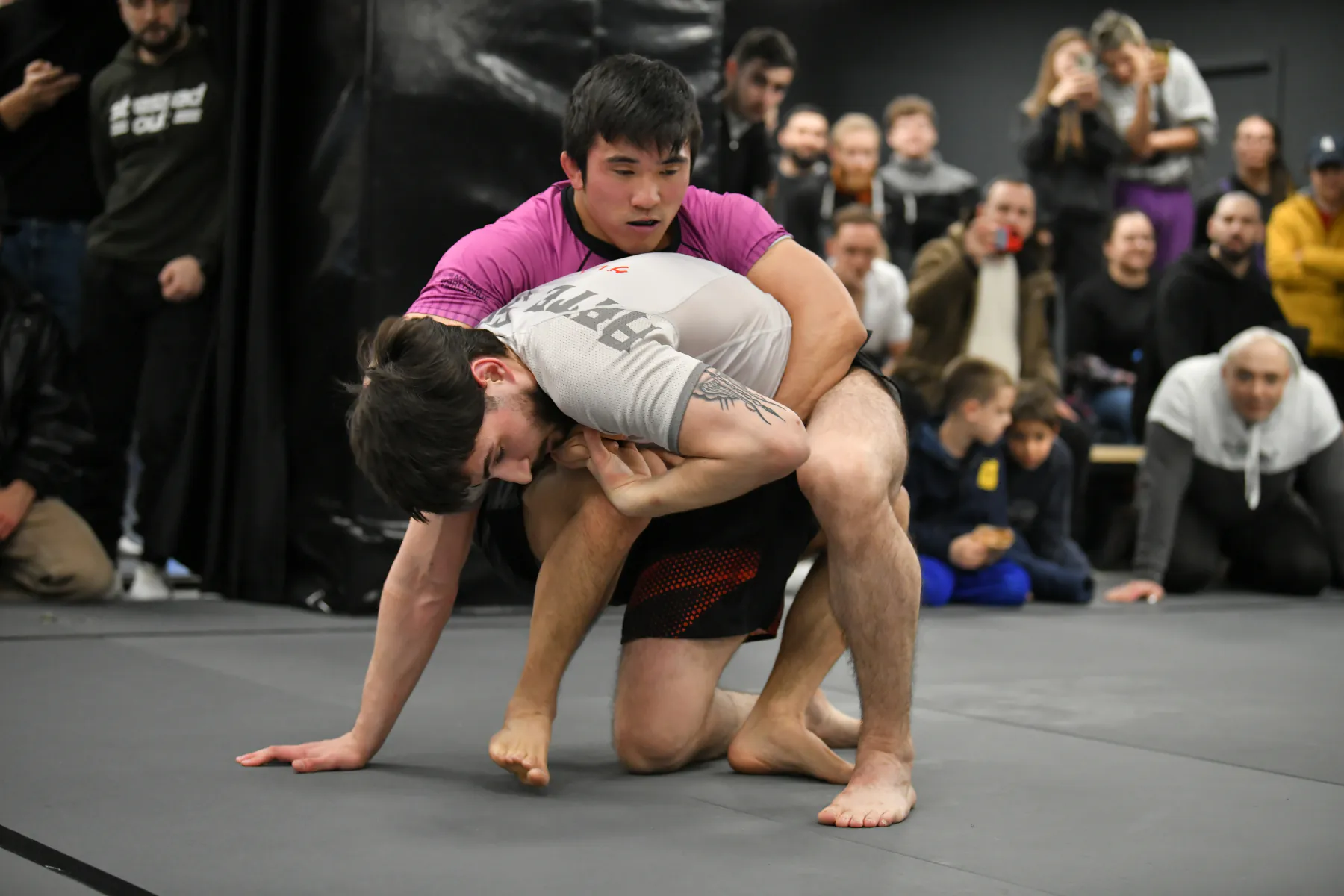
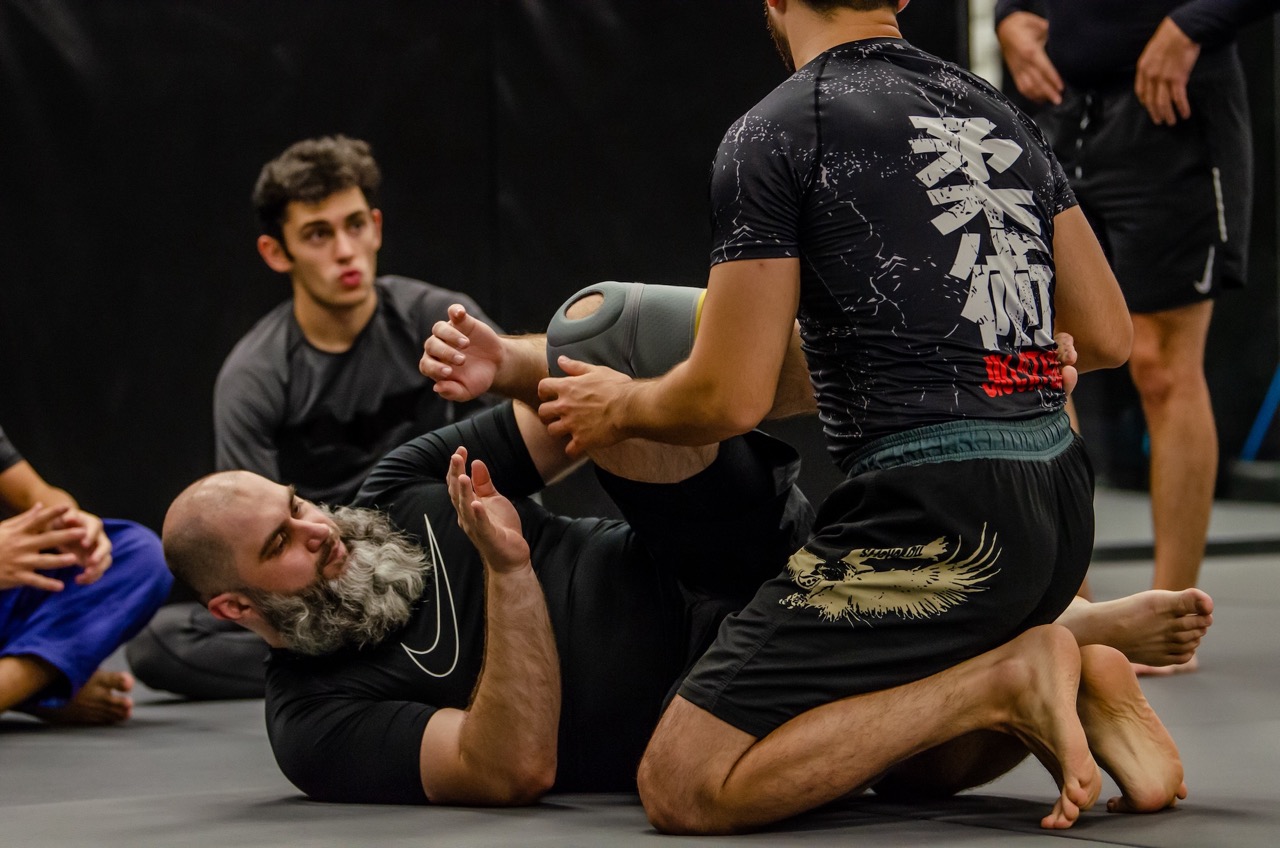
Judo and BJJ need a gi; no-gi work needs shorts and rash guards. Wrestling needs its shoes and kit. Boxing needs gloves and wraps. Kickboxing and MMA add their protective gear.
Kyokushin Karate needs a karate gi and whatever protective equipment the camp confirms for your module. Do not assume the kickboxing list is interchangeable.
Useful personal items include a massage ball, tape, any brace you already use, spare contact lenses and nail clippers. Repeated hard rounds are not the moment to discover a missing basic.
Do not buy an entirely new kit for a camp. New gloves, new shoes and a stiff new gi are three ways to arrive with blisters on day one. Train in what you know, and leave room in the bag: the camp is in a city with shops, not on a mountain.
Insurance, medicals and the paperwork nobody enjoys
Buy travel insurance that covers the activity you will actually do. Policies may exclude contact sport or martial arts, so read the wording and obtain written confirmation from the insurer when the scope is unclear.
Tell the camp about relevant injuries and conditions in the enquiry. Assessment, grouping and eligibility are camp-specific; obtain a direct decision instead of relying on an editorial age or experience claim.
Age requirements are camp-specific. Younger athletes have separate programmes with their own age ranges and booking sites; use the youth overview, then confirm eligibility with the operator.
Two smaller things. See a dentist before the trip rather than after, because a mouthguard over a cracked tooth turns a good week into a long one. And if you are cutting weight for something later in the year, do not start the cut on the plane: a camp week is a bad place to be under-fed.
Arrival day and the first 24 hours
The job on arrival day is unglamorous: sleep, eat, drink water, unpack, and go and look at the facility so you know where the door is. Resist the urge to do a test session the day before the camp starts. Nobody has ever improved their first day by arriving at it tired.
Arrange connectivity and payment methods for your own provider and itinerary. Do not depend on a general claim about Wi-Fi, SIM availability, cards or cash for a specific accommodation or venue.
Treat the first session as the first real view the coach gets of your level. Assessment and grouping differ by camp, so arrive honest about experience, injuries and competition plans rather than expecting one portfolio-wide process.
If someone is coming with you
If a partner does not train, ask about accommodation and pricing before either of you books travel. A non-training partner package is not a published portfolio-wide entitlement.
A non-training companion should plan against the confirmed accommodation and venue rather than assuming a central location, shared room entitlement or included services.
People training different sports should confirm each camp independently before trying to align travel. Cross-training, shared accommodation and matching dates are not promised.
If you are bringing children, use the youth overview. It lists four programmes with distinct age ranges, formats and booking sites rather than treating them as part of the adult timetable.
Ready to put a date on it?
The calendar can help shortlist dates across 7 adult sites. Confirm the chosen camp’s availability, current terms and exact schedule before booking.
See every camp dateWhat to take away
- Confirm the camp’s availability, current terms and session times first; buy flights second.
- Check Georgia’s official consular nationality checker for the passport you will use.
- Choose arrival and departure around the confirmed schedule, and treat transfers as excluded unless written into the offer.
- Get accommodation, room occupancy, breakfast service and transfers itemised. Lunch and dinner are excluded from Bed & Breakfast.
- Buy insurance that explicitly covers contact sport, and pack two of everything you sweat in.
Questions people ask
How far ahead should I book a training trip to Georgia?
Book only after the selected camp confirms availability and terms. Lead time depends on that camp, flights, entry requirements and cancellation risk; this guide does not promise monthly capacity or a response time.
Do I need a visa to train in Georgia?
Entry depends on citizenship and travel document. Check Georgia’s official consular nationality checker and your own government travel advice before booking.
Can a complete beginner book one of these camps?
Eligibility is sport-specific. Put your age and real experience in the enquiry and confirm the selected camp’s entry requirement before paying.
What is the minimum age for the adult camps?
There is no age rule asserted across every adult camp here. Confirm the selected camp’s minimum age; younger athletes can compare the separately operated youth programmes.
Is one week long enough to be worth the flight?
Compare only the durations the selected camp confirms. Session counts vary, so compare the written schedule with your normal volume before choosing a shorter or longer booking.
Keep reading
Cost of a Training Camp in Georgia: A Line-by-Line Breakdown
How to build a date-specific training-camp budget for Georgia from a written quote, flights, insurance, ground costs and a contingency.
Read guide
What a Training Camp Is Like: A Week at a Georgian Combat Camp
A practical planning template for a Georgian combat-camp week, including the timetable, coaching, accommodation and recovery details to verify.
Read guide
Combat Sports Training Camps in Georgia
7 adult camp sites: MMA, Wrestling, Boxing, Kickboxing, BJJ, Karate, Judo. How to compare their published offers and what to confirm before paying or booking travel.
Read guide
Train it in Tbilisi
Each camp handles its own enquiries. Start with the overview here, then contact the camp site for current terms.