Start here
Combat Sports Training Camps in Georgia
Editorial owner: Gymnasia Sports. Sources are listed below; no named independent expert review is claimed.
Evidence scope: confirm current dates, coaches, prices, availability, accommodation and inclusions in writing with the selected camp before paying or booking travel.
7 adult camp sites: MMA, Wrestling, Boxing, Kickboxing, BJJ, Karate, Judo. How to compare their published offers and what to confirm before paying or booking travel.
Quick answer
Gymnasia links to 7 adult camp sites — MMA, wrestling, boxing, kickboxing, Brazilian Jiu-Jitsu, kyokushin karate and judo. Each sport site, not this editorial overview, owns its current dates, eligibility, coaches, prices and inclusions.
Before paying or booking travel, ask the selected camp for written confirmation of availability, the session plan, accommodation, breakfast service, transfers, cancellation terms and the final price for your dates. Lunch and dinner are excluded.
Georgia has an attributable grappling tradition: UNESCO inscribed chidaoba in 2018, while the IJF and UWW publish the current competition records. That context does not prove any camp’s present-day coaching offer.
Camps
7 sport sites indexed
Operational source
The selected sport site
Before payment
Get current terms in writing
Travel rule
Confirm first, book second
What a combat sports training camp in Georgia actually is
7 sport-specific sites currently appear in the adult portfolio, each with its own website and enquiry path. This page is an editorial index, not a booking confirmation.
Do not infer a shared calendar, price, coach, room, breakfast service, transfer or session load from another sport. Those are mutable operational details and must be confirmed by the selected camp for the dates you want.
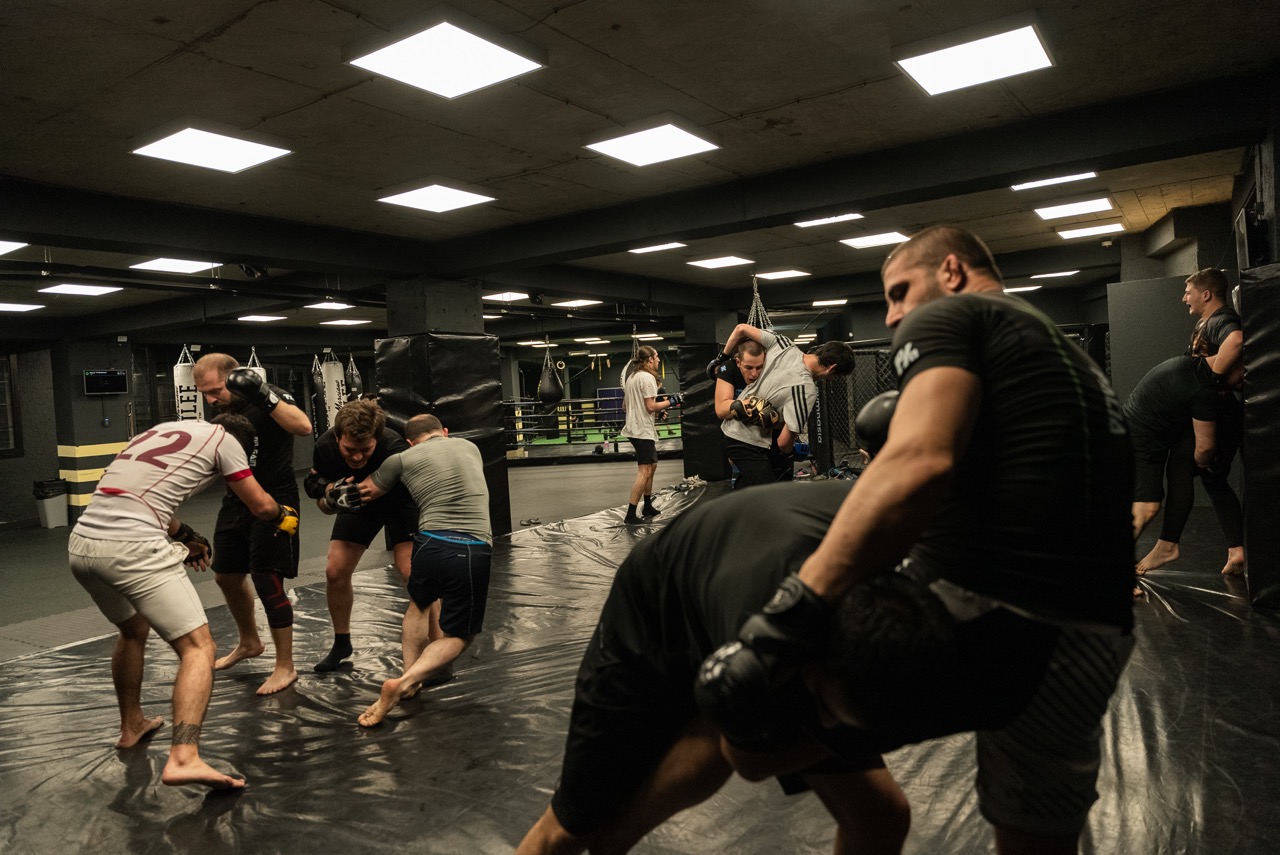
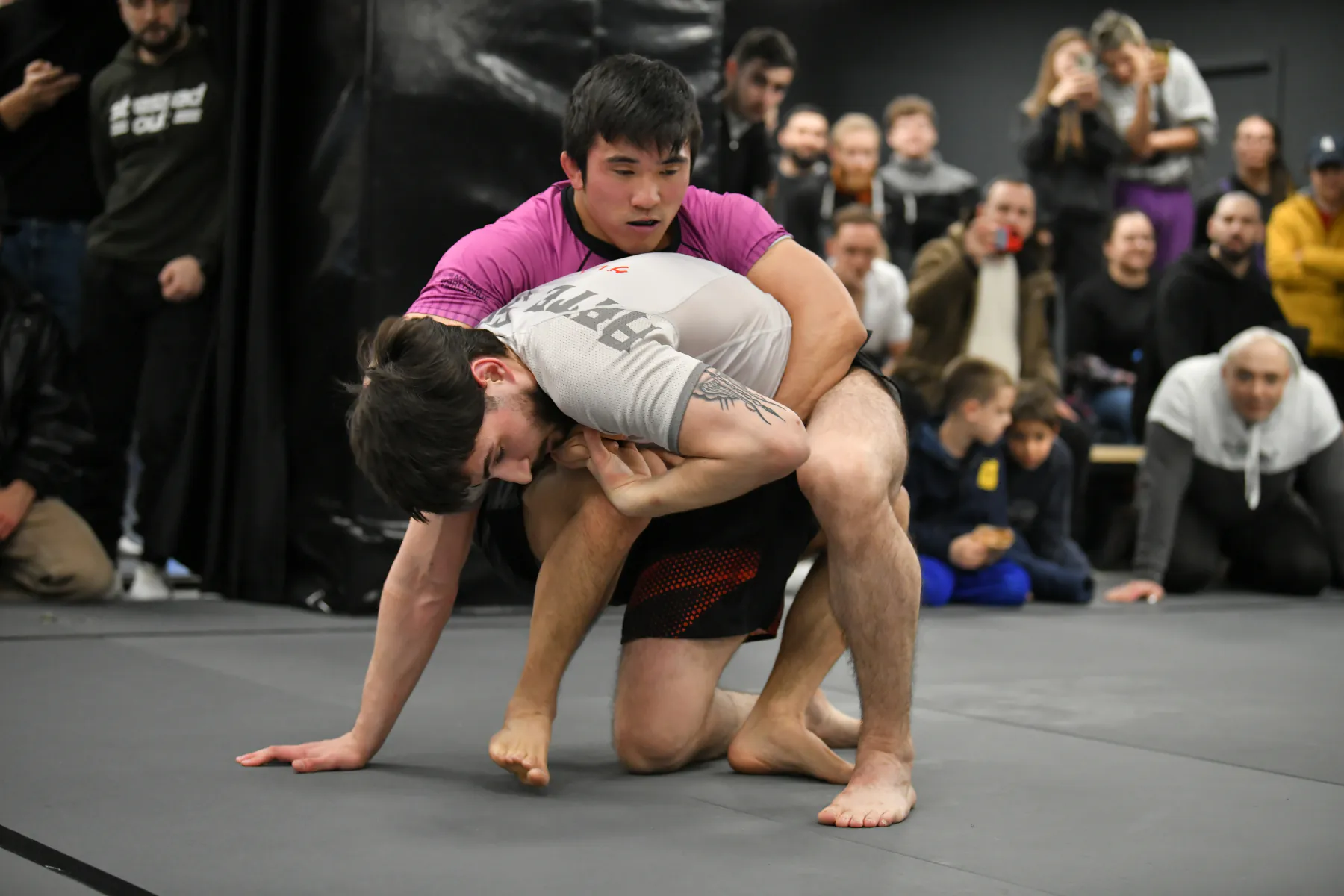
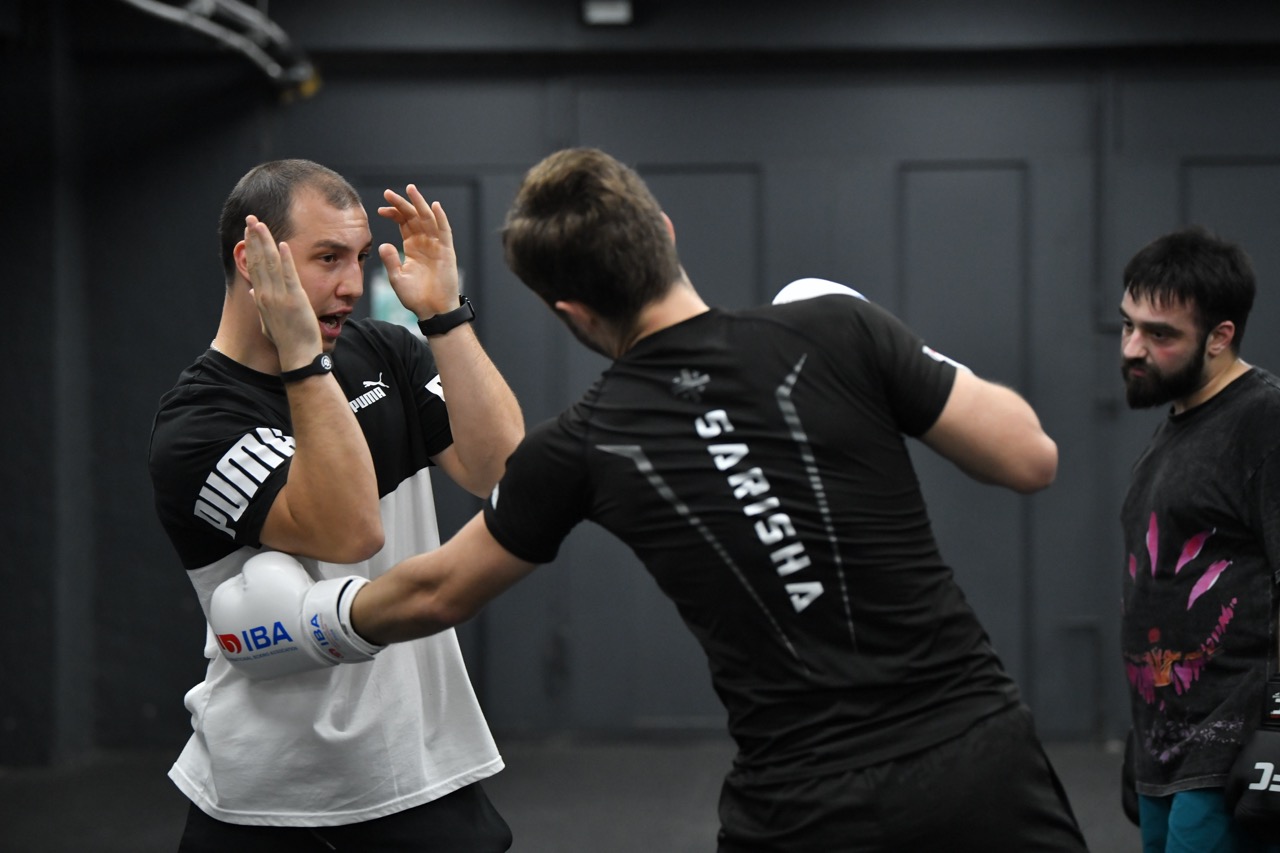
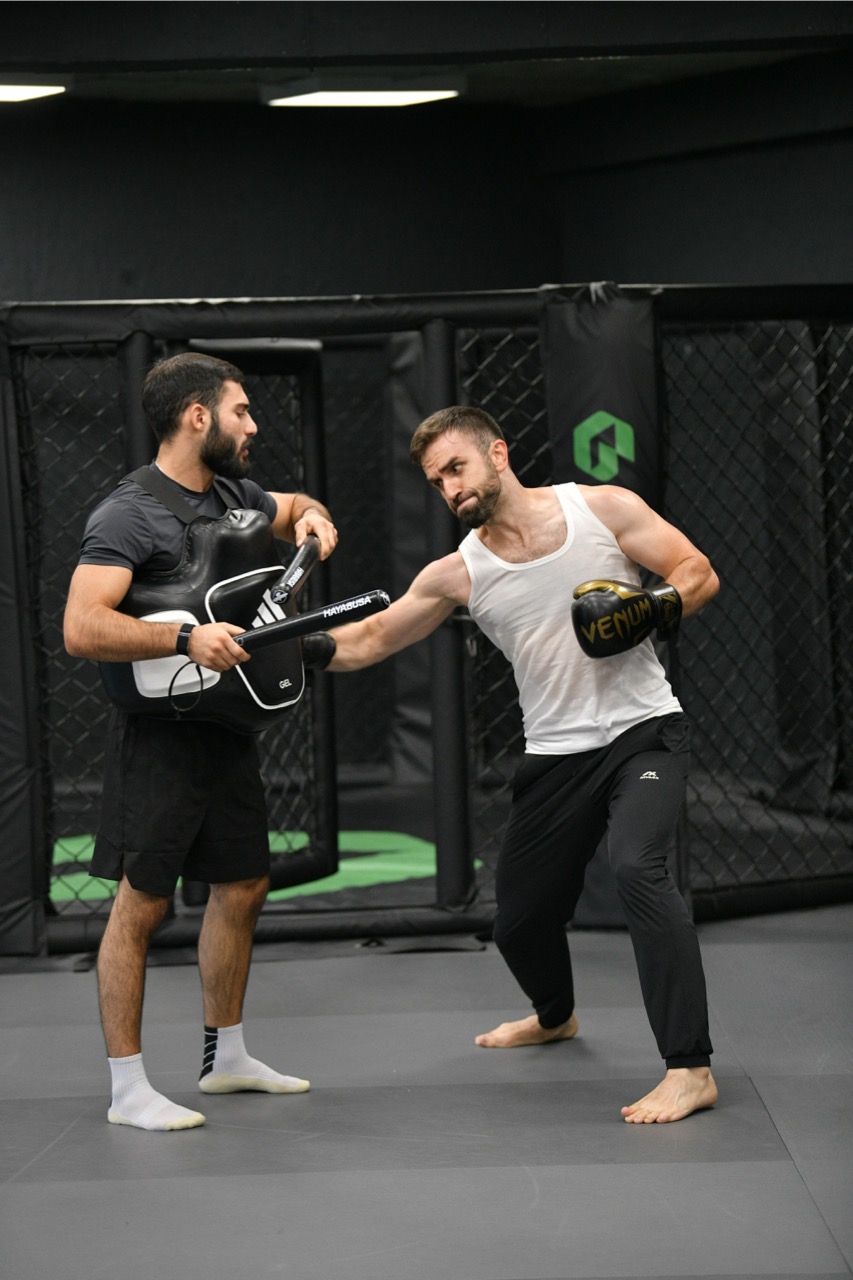
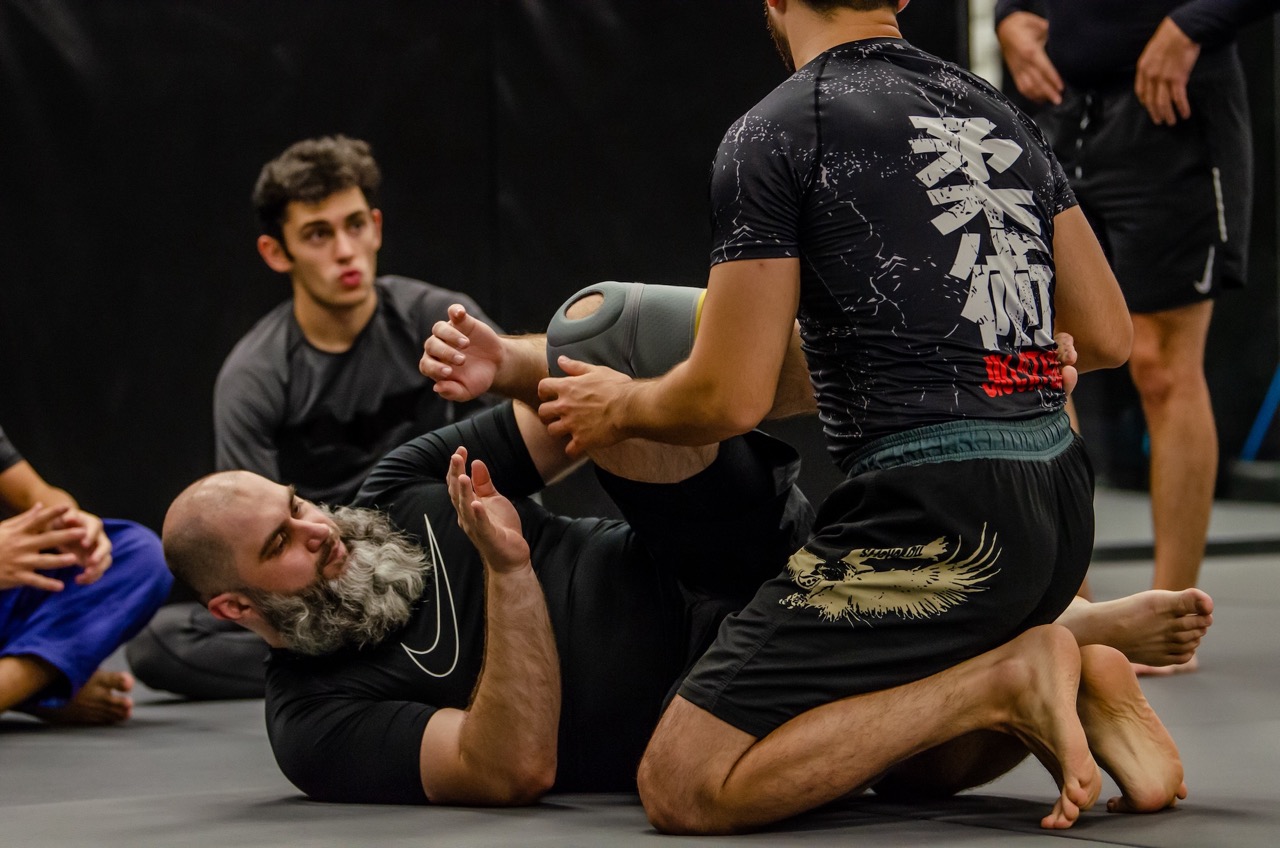
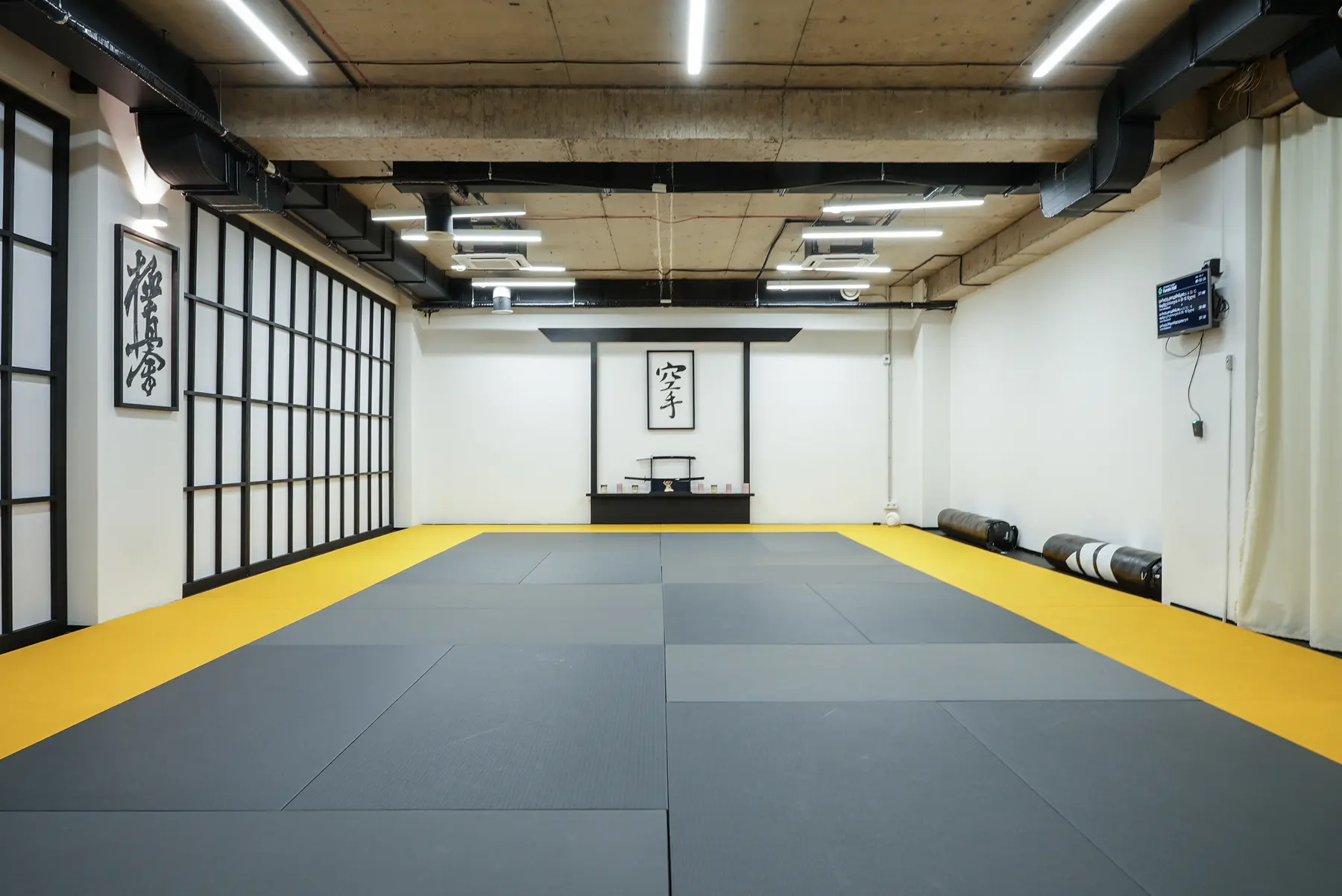
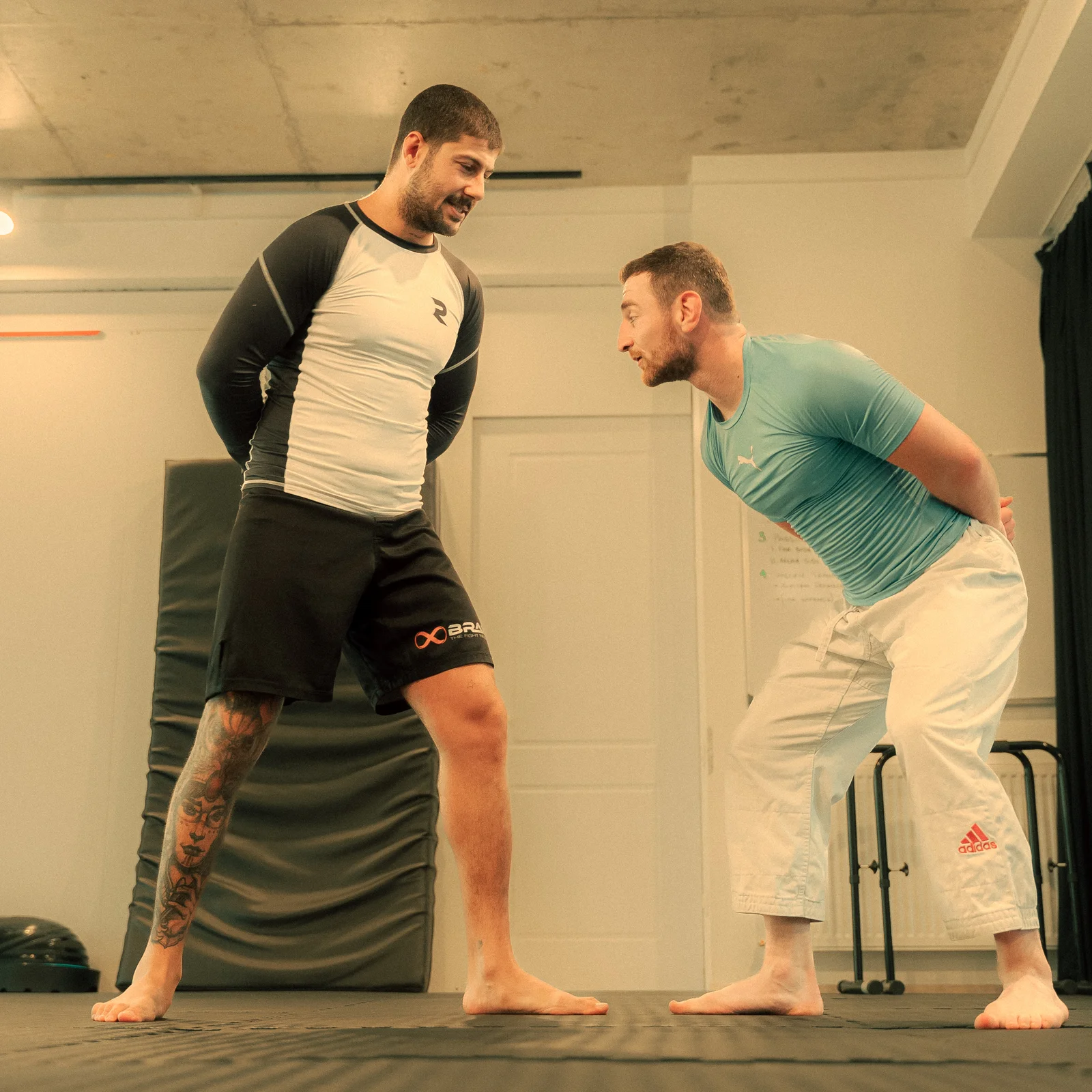
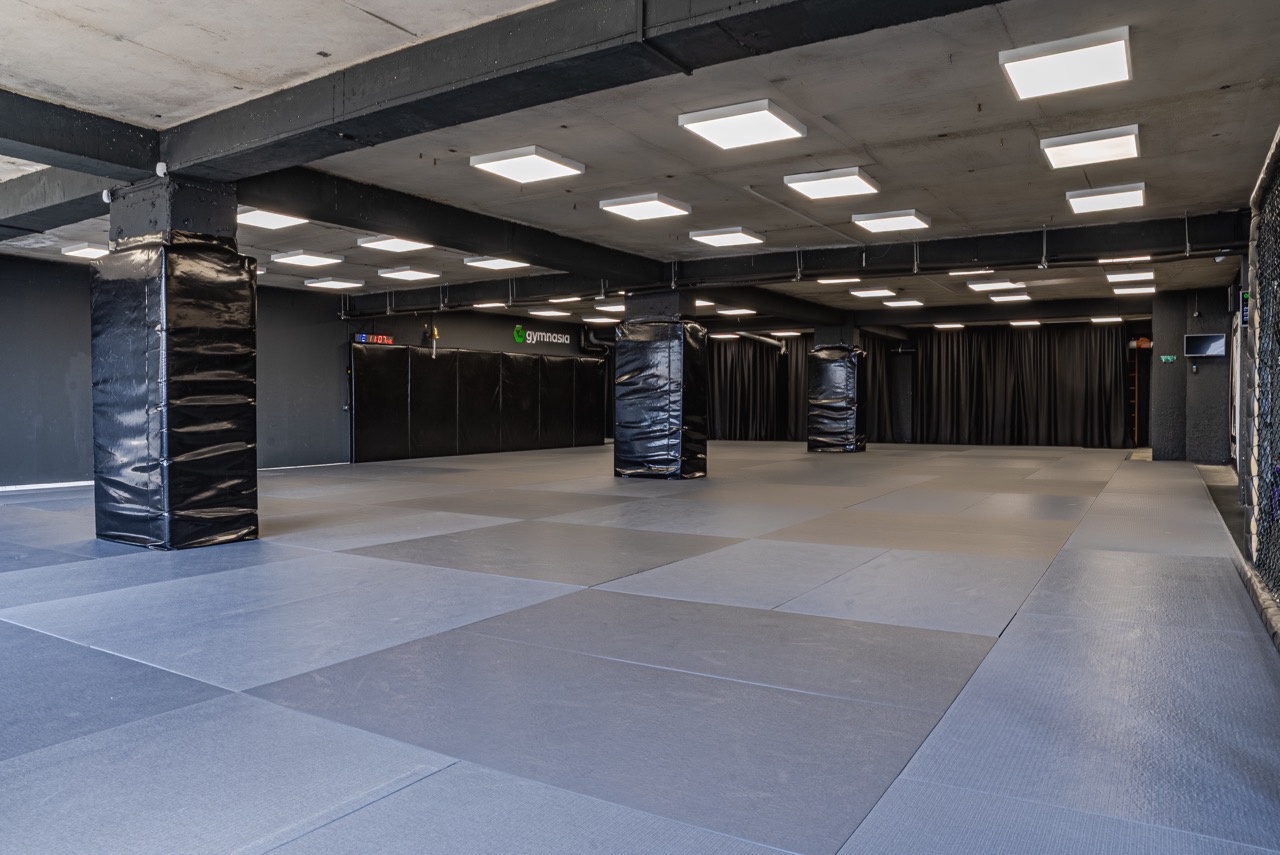
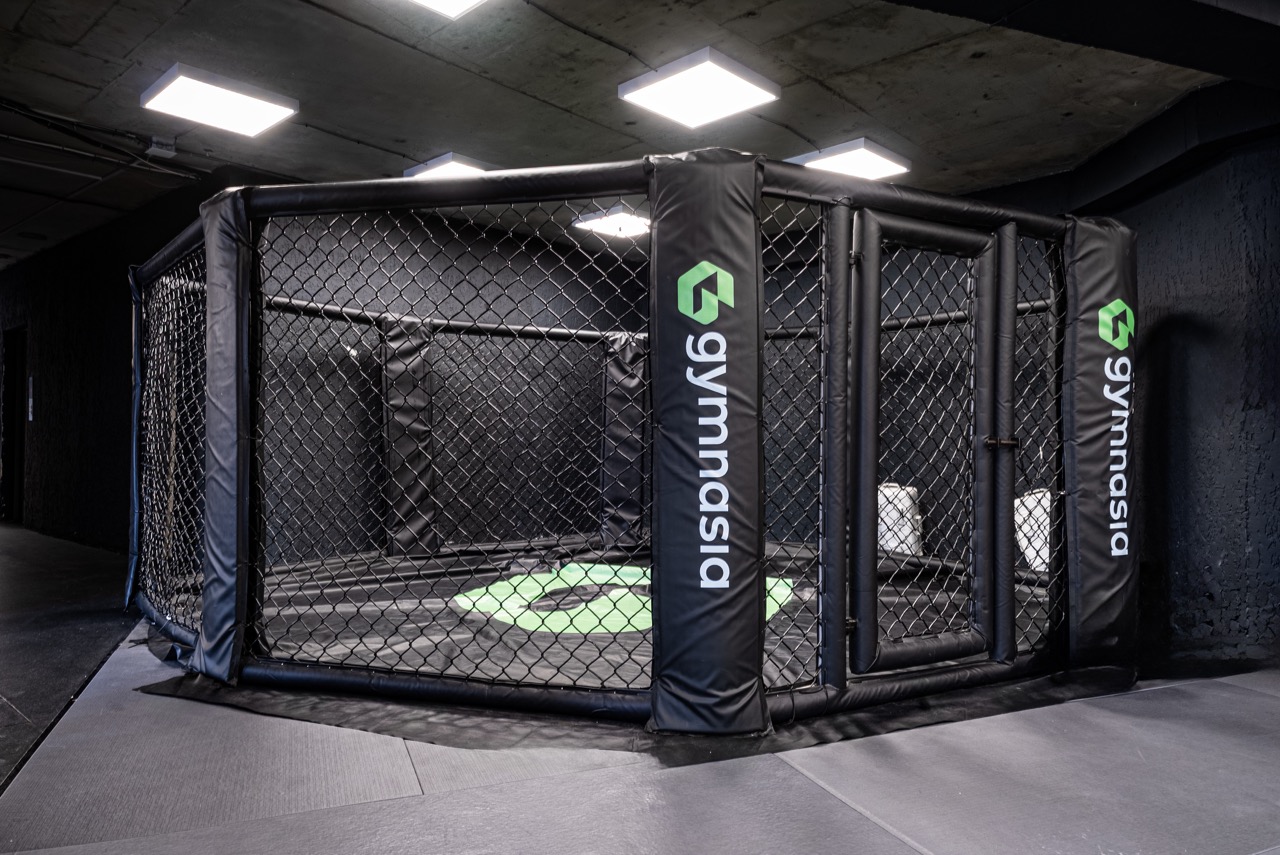
Published photographs show several training zones at the Tbilisi venue. A photograph establishes what was pictured, not which spaces or equipment will be available to your group, so ask the camp to confirm access.
Georgia's documented grappling record can help explain the destination. It cannot establish who will coach a particular visitor or what will happen in a paid week.
Choose the discipline for your goal, then compare the sport site’s current terms with a written reply before making a travel purchase.
The 7 camps, and what each week is actually for
The portfolio links to 7 disciplines. Use the following as decision prompts, then verify the actual offer on the relevant domain.
For MMA, ask how the proposed week divides striking, takedowns and ground work, and what experience level the group expects.
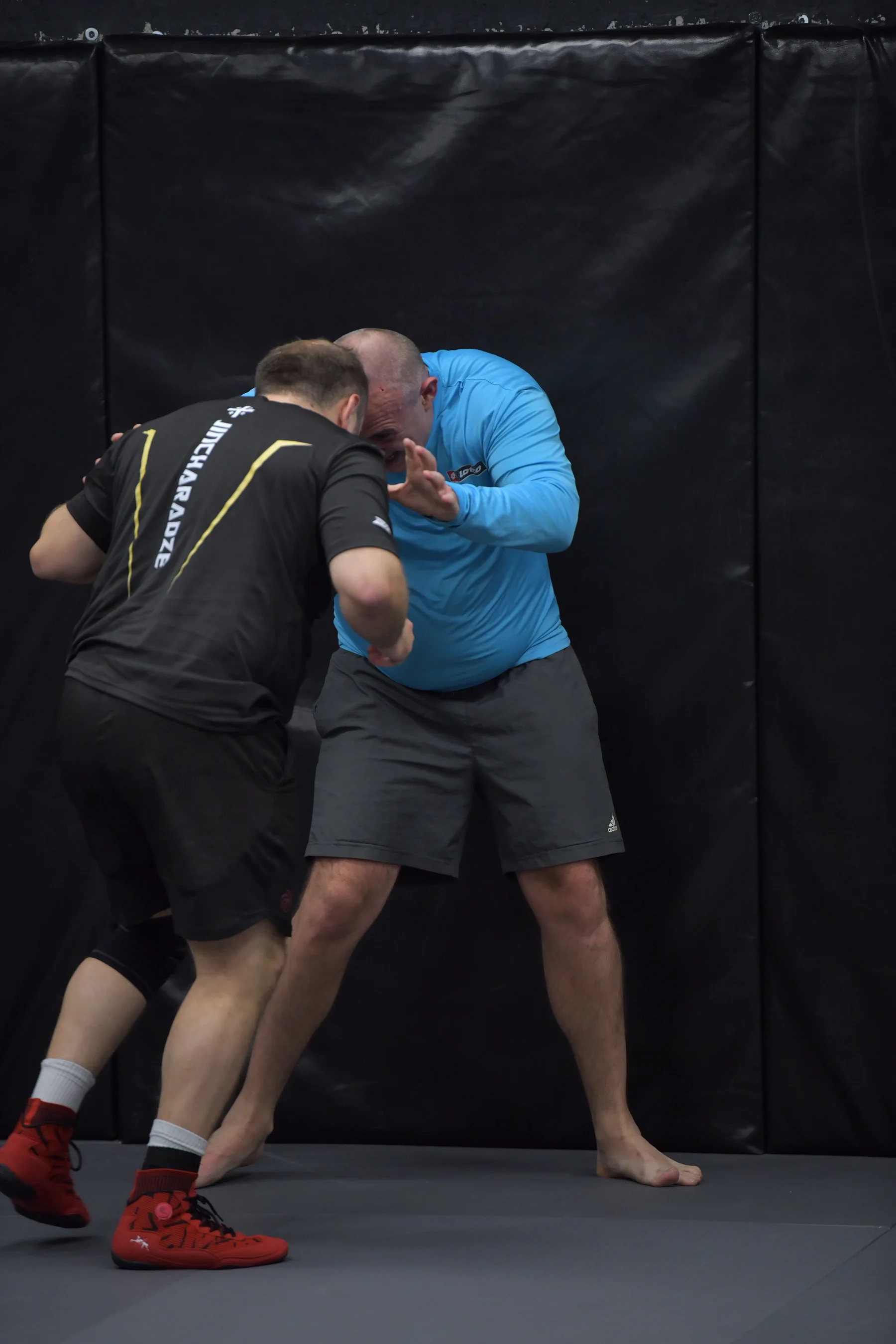
For wrestling, ask which style is being taught, how much live work is planned and what footwear or prior experience is required.
For boxing, ask how technical work, bag work and partner contact are separated for your level.
For kickboxing, ask which track is available for your dates, whether switching groups is possible and what protective equipment is required.
For BJJ, ask whether the confirmed sessions are gi, no-gi or mixed and whether takedown work is part of that specific week.
For Karate, confirm the style, minimum level, age requirement, protective equipment and exact session count.
For judo, confirm the required grade, judogi rules, tatami access and randori expectations.
Each camp’s own domain is the operational source. This overview compares the questions to ask across all 7.
Why Georgia, and not Thailand or Brazil
Do not choose between Georgia, Thailand and Brazil from a slogan. Compare the discipline you want, current coaching, contact level, climate, travel time, cancellation terms and total trip cost.
Georgia's strongest attributable context is its grappling tradition. UNESCO inscribed chidaoba in 2018, and the IJF and UWW publish current federation and competition records.
That national context is not evidence for a particular camp’s coaches, training partners, outcomes or session quality. Those claims require camp-specific proof and a confirmed plan for your dates.
Treat destination background and the commercial offer as separate questions: the official sources can explain Georgia, while the selected camp must explain what it is selling.
How to verify the current price and inclusions
Use the selected camp’s price page only as the start of the quote. Before paying, request a written total tied to your sport, dates, duration, room choice and number of travellers.
For Bed & Breakfast, breakfast is the only included meal; lunch and dinner are excluded. Ask for training sessions, facility access, accommodation nights, room occupancy, breakfast service, transfers, equipment and any recovery access in writing.
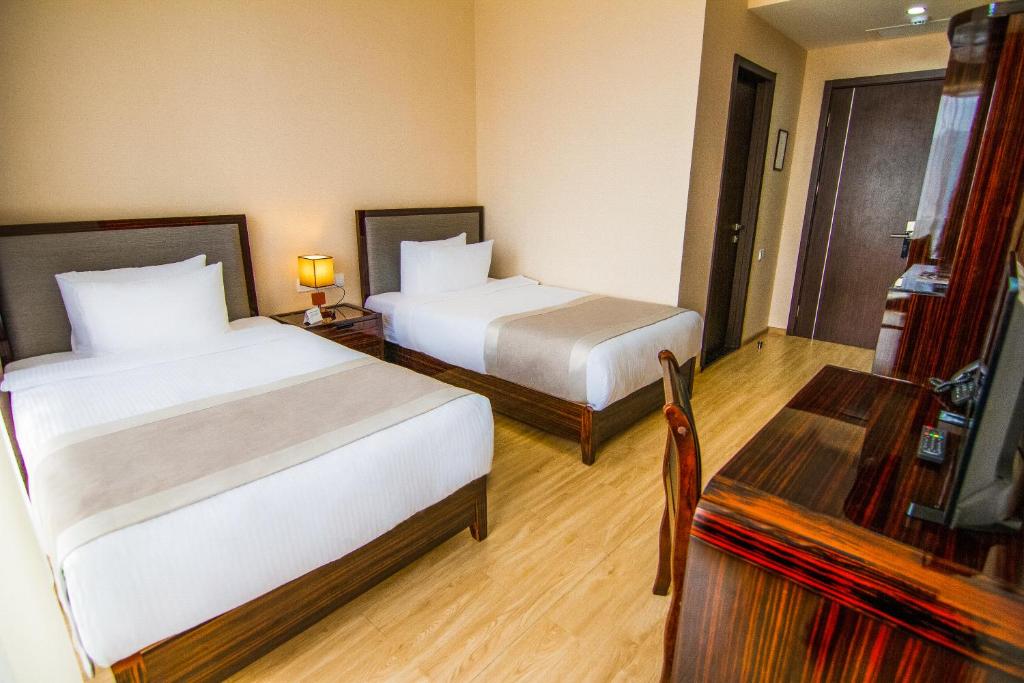
Do not assume two sports share prices or that a two-week option is exactly twice a one-week option. Do not infer room standards or airport pickup from an image or from another camp’s page.
Price flights only after availability and terms are confirmed. Include insurance that covers the planned contact sport, local transport, lunch, dinner and a contingency budget.
Save the written offer and cancellation terms with the payment record. That evidence matters more than an editorial table copied before your booking.
The shape of a training week
The exact load is sport-specific and mutable. Use the outline below as a planning checklist, not a camp timetable or coaching promise.
Once you have the written plan, compare it with your normal volume and discuss any injury, contact or recovery constraint with the appropriate professionals.
Use these checkpoints to interrogate the confirmed plan:
Day 1
Confirm arrival and level process
Know where to report, what equipment to bring and how grouping is decided.
Days 2–3
Check the confirmed session load
Compare the written plan with your normal volume and recovery needs.
Day 4
Set contact and intensity boundaries
Tell the coaching team about injuries and what contact you consent to.
Days 5–6
Reconfirm any plan changes
A changed group, coach or room should be discussed rather than assumed.
Day 7
Record the useful follow-up
Note what to continue at home and verify departure logistics.
Who these camps are for, and who should not book one
Age and experience requirements are sport-specific. Confirm eligibility with the selected camp rather than treating any portfolio-wide age or level as current.
A specific goal makes an enquiry easier to evaluate. Describe the position, skill or contact level you want, then ask how the proposed plan addresses it; do not assume a result.
It is the wrong purchase if you are carrying an uncleared injury, need a holiday more than training, or do not meet the sport site’s entry level. A short booking is not a promise to teach any martial art from zero.
Younger athletes have 4 separate programmes: Kids BJJ Competition Camp, Combat Summer School 2026, Wolf Tribe Elite Summer Camp 2026 and Caucasian Power Wrestling Camp 2026.
Their age ranges, formats, prices and booking sites differ. The youth overview links to each programme; Kids BJJ books on its own domain rather than through the adult camps.
Food, sleep and recovery between sessions
If the confirmed week is higher volume than your normal training, plan recovery with your own coach or medical professional. Bed & Breakfast includes breakfast only; lunch and dinner are self-arranged.
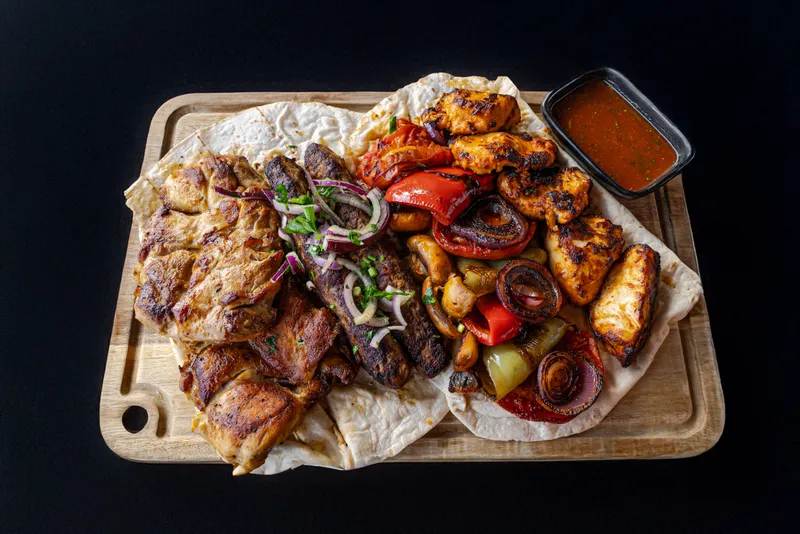
Request breakfast timing, sample options, allergy process and dietary support in writing. Destination cuisine does not establish what the hotel will serve.
Treat strength-room, sauna and open-mat access as questions, not inclusions. Even pictured facilities may be unavailable to a particular group or date.
Plan enough sleep and recovery for the confirmed load. If room sharing or time-zone change affects you, compare the actual room options and consider arriving early; this guide cannot prescribe a room or recovery schedule for you.
Getting to Tbilisi: flights, visas and cash
Tbilisi Airport publishes a live route map. Check it for current direct routes, then verify the actual flight with the airline; routes and schedules change.
Entry rules depend on citizenship, travel document and circumstances. Use Georgia’s official consular nationality checker for your passport and travel dates rather than a portfolio-wide visa-free count.
Build the ground budget from current accommodation, transport and food quotes. General cost-of-living averages are not a reliable trip invoice.
Confirm the camp start time and any transfer in writing before choosing an arrival. If possible, leave recovery time between a long flight and the first session.
Seven days or fourteen, and when to come
Published modules and dates may change by sport. Confirm the exact arrival day, first session, final session, rest days and accommodation nights before comparing flight options.
A shorter first camp may reduce fatigue and scheduling risk; a longer block only helps when the confirmed plan, your body and your calendar can use it. Neither duration guarantees an outcome.
Compare seasonal weather with the selected camp’s confirmed venue and your own competition calendar. Do not assume every session is indoors or that one season suits every traveller.
Not sure which module to book?
The calendar is an editorial planning view. Use it to shortlist dates, then obtain availability and current terms from the selected camp.
See every camp dateHow to choose your camp in one sitting
Work backwards from one goal. Takedowns, grips or top pressure point to wrestling, judo or BJJ; the ring to boxing; the cage to MMA; kickboxing to its two tracks; and kyokushin practice to Karate.
Then shortlist a length and date, and send one enquiry with your sport, level and goal. Do not treat the calendar as availability.
Four things are worth putting in that first message, because they decide the answer you get back: how long you have trained and in what, whether you have competed and when you next plan to, any injury a coach should know about, and which start dates you can actually take off work. That is enough for a camp to tell you whether the week you are imagining is the week they run, and to say so before you buy a flight.
The sport site and its written reply are the final word for prices, dates, coaching, eligibility and session load.
Send one enquiry, reach the right coaching team
Tell us the sport, your level and the one thing you want fixed. The form is an enquiry, not a payment or booking confirmation.
Enquire about a camp weekWhat to take away
- 7 adult camp sites are indexed here; each site owns its current operational terms.
- Get a written, date-specific price and inclusion list before paying or booking travel.
- UNESCO documents chidaoba and the international federations document results; neither source proves a commercial camp’s current offer.
- Age, experience, session load, coaches, facilities and availability are sport-specific confirmation points.
- Use the shared calendar only to shortlist dates, then confirm the selected camp and allow recovery time after travel.
Questions people ask
Do I need experience to book a combat sports training camp in Georgia?
Entry is sport-specific. State your age and real experience in the enquiry and obtain an explicit eligibility confirmation before paying.
What is included in the price?
Request a written quote for your sport and dates. It should separately state training, facility access, accommodation, room occupancy, breakfast service, transfers, equipment, taxes, cancellation terms and anything else excluded. Lunch and dinner are not included.
Can I train two of the 7 sports in the same week?
Cross-training and aligned schedules are not promised. Ask each camp involved to confirm its venue, timetable, eligibility and permission before booking flights.
Do I need a visa to train in Georgia?
It depends on citizenship and travel document. Check Georgia’s official consular nationality checker for your circumstances; do not rely on a general nationality count in a camp article.
When do the camps start?
The dates page is a planning index, not proof of availability. Confirm the selected camp’s start time, end time, session plan and accommodation nights in writing before booking travel.
Keep reading
The Best Combat Sports Camp in Georgia: How to Choose Yours for 2026
7 adult combat-sport sites. What to verify about fit, dates, price, inclusions and evidence before paying or booking travel in 2026.
Read guide
Cost of a Training Camp in Georgia: A Line-by-Line Breakdown
How to build a date-specific training-camp budget for Georgia from a written quote, flights, insurance, ground costs and a contingency.
Read guide
What a Training Camp Is Like: A Week at a Georgian Combat Camp
A practical planning template for a Georgian combat-camp week, including the timetable, coaching, accommodation and recovery details to verify.
Read guide
Train it in Tbilisi
Each camp handles its own enquiries. Start with the overview here, then contact the camp site for current terms.